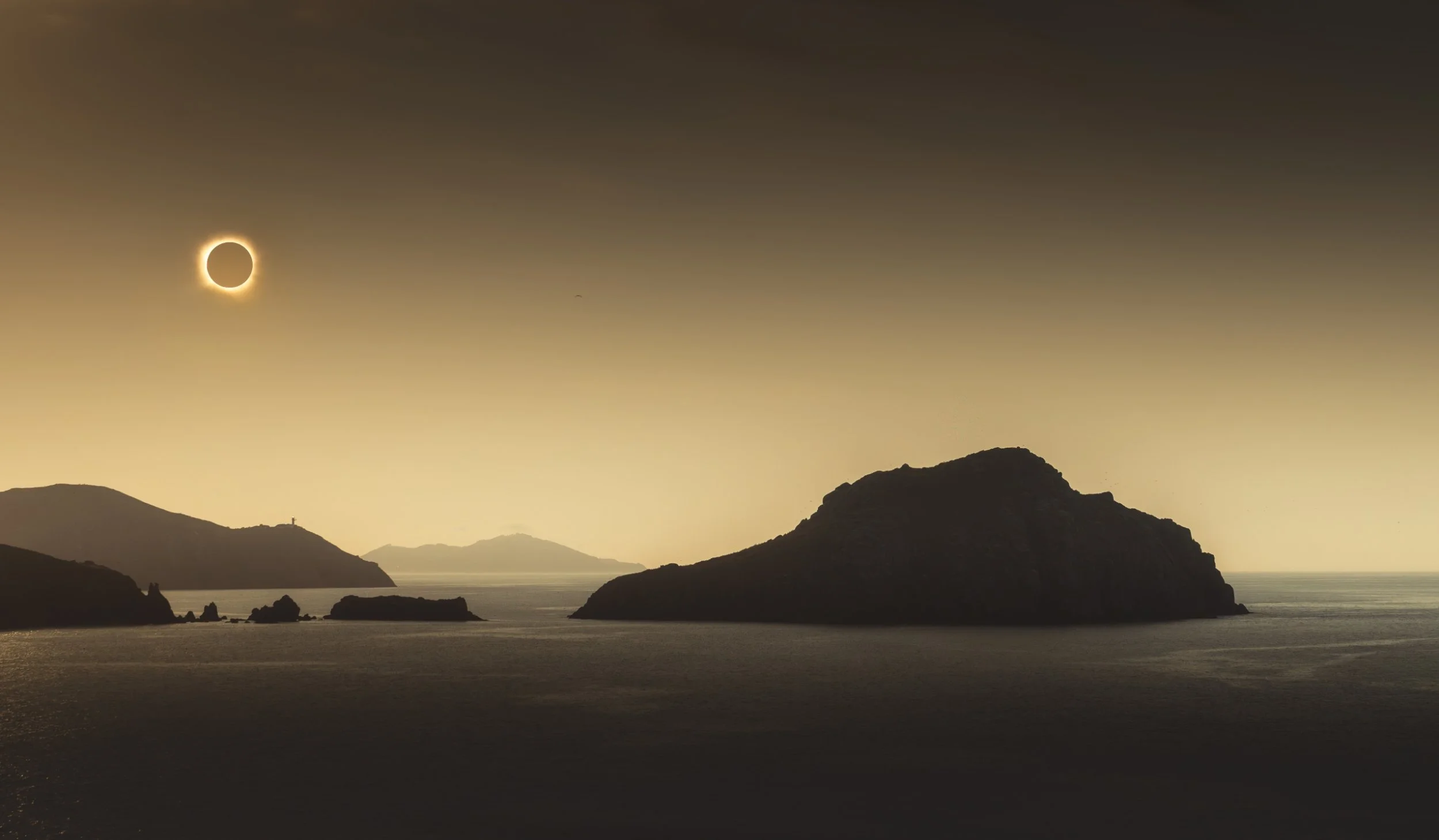
Total solar eclipse 2026 in Northern Spain - a photographic rollercoaster.
Background and setting the scene
This piece will be written as a journal of one of the most intense, existential and mind-altering experiences which was the 12th of August 2026 solar eclipse. I will share my raw experience with it: struggles, joys and learnings.
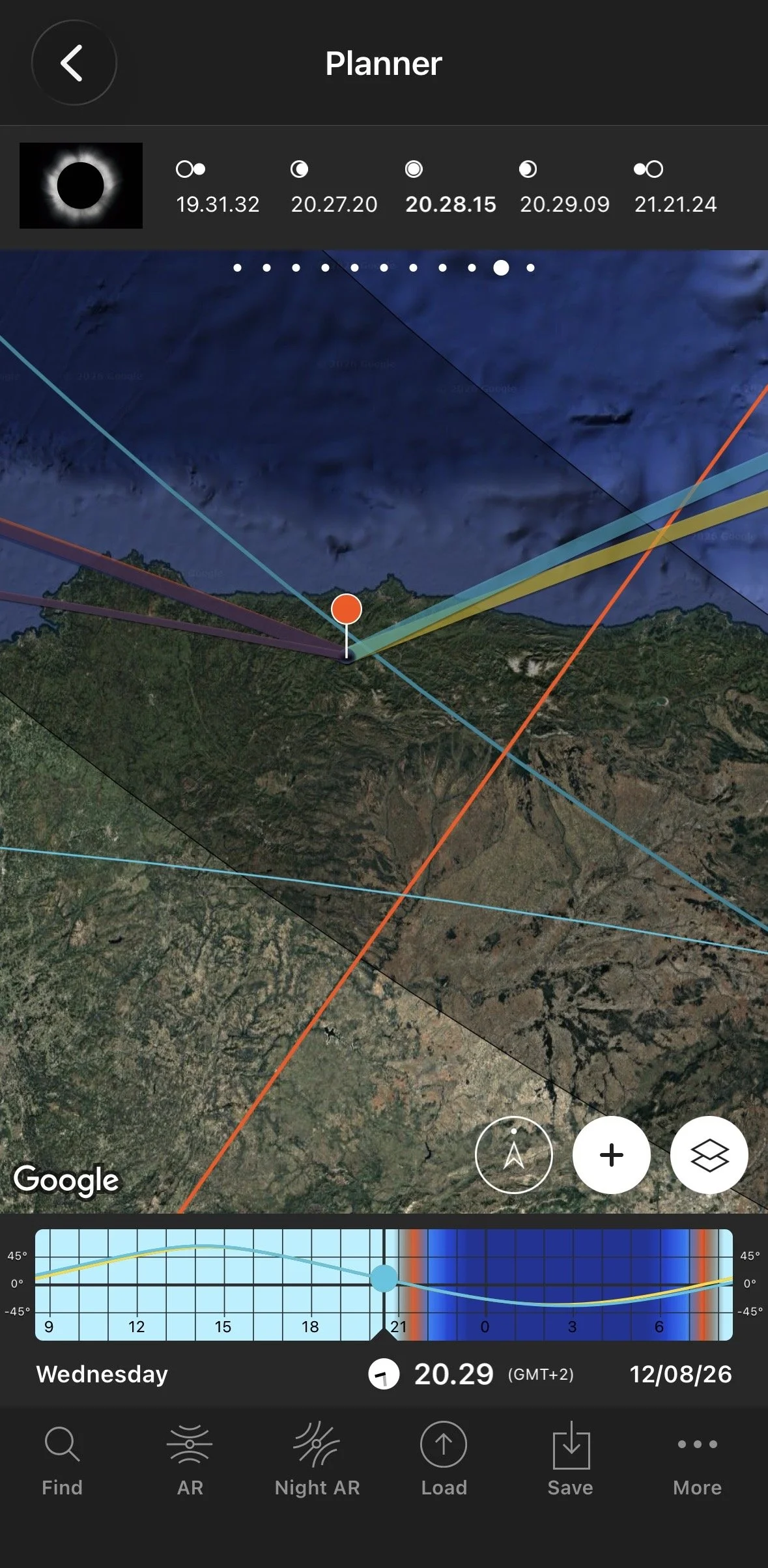
I decided to photograph the eclipse in Northern Spain once I found out about the totality path sometime early in 2026 using PhotoPills.
I’d had my eye on this area of Spain for some time due to its impressive coastline and massive mountain ranges. When I realized that the totality path was going to hit right over the areas of Asturias, Galicia and parts of Cantabria, I knew this was going to be a once in a lifetime, unmissable experience!
From concept to reality
Before the trip I wanted to be as prepared as possible. I spent days researching the entire path of totality, trying to identify the best locations for the eclipse using a lot of augmented reality tools such Peakfinder, Google Earth and of course the most important one being the Eclipse layer in PhotoPills.
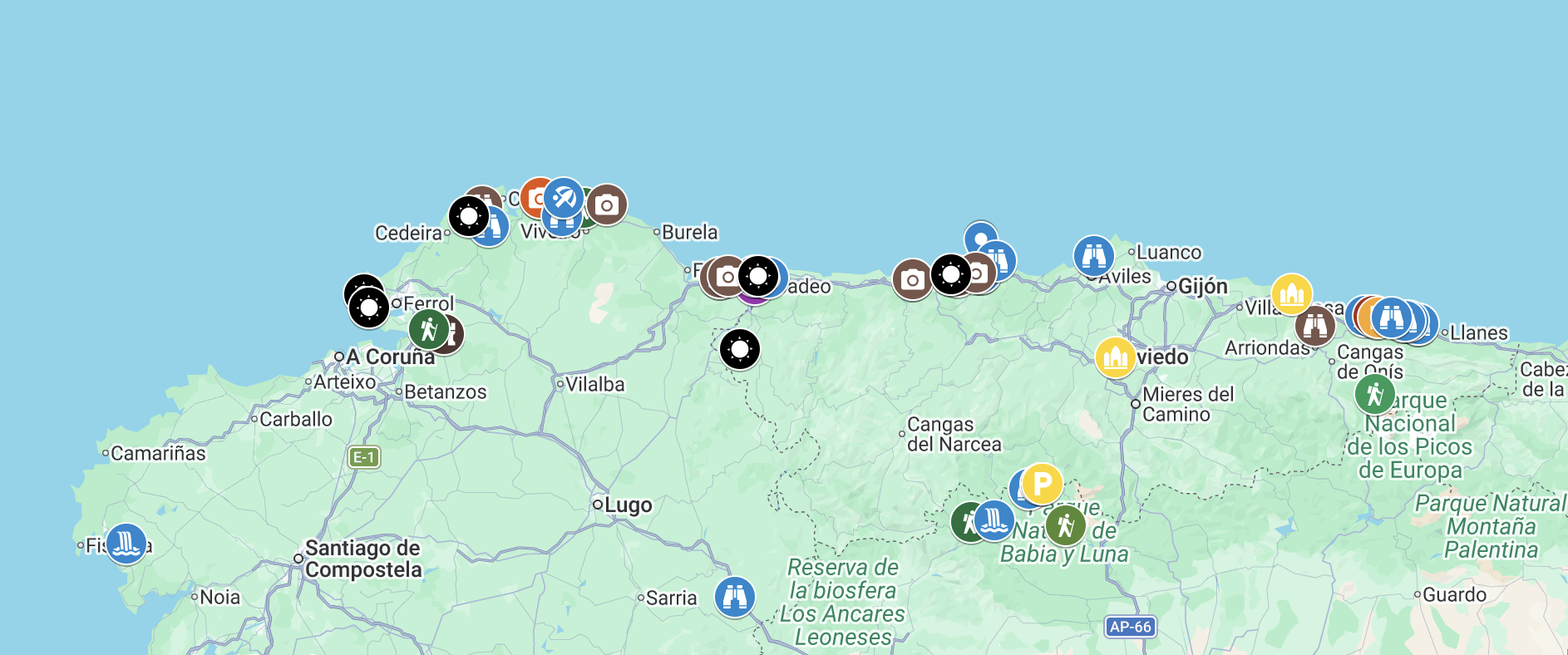
The idea I had in mind and wanted to bring to life was a compressed perspective image with the telephoto lens from as low an angle as possible to be able to get the big sun’s corona at totality above or right next to my subject.
That was my dream.
“A place I’d never visited before. A major celestial event I had zero experience in. Talk about a recipe for disaster.”
I knew that all my research might end up being in vain. There are so many factors to consider: weather, angle and path of the sun, subject placement, driving distance, length of totality, accessibility, potential for crowdedness, etc.
This is why we set out to spend the first 4 days prior to the eclipse purely scouting locations and finding an option A, B and preferably C for the event.
Plenty of time, right?
Four days. 1500 km. 10+ places
To say that I bit more than I could chew is a huge understatement. The four days prior to the eclipse were a race from one place to the next trying to find the spot for the eclipse.
And it was so much harder than I ever thought.
Days 1 and 2: The coastline dilemma
We started driving from Bilbao towards Ribadeo, our home base. The drive was peppered with insane coastlines at every turn.
I had marked a ton of locations here with good angles towards the eclipse, however I quickly realized that my desired photo would be hard to achieve in 90% of cases here.
Due to lack of elevation of subjects (being by the ocean) and inability to gain enough distance to the subject for perspective compression, the sun would simply be too high up in the sky at totality. The latter issue was because the coastline was massively affected by the tide and depending on location, it could remove accessibility altogether - adding another unwelcome variable into the mix.
Day 3: Into the mountains
Exploring the mountain locations around Somiedo Natural Park and Serra do Xistral ranges proved to be an even more challenging endeavour than the coastline.
Adding elevation introduced new elements which made finding a location difficult.
The mountains were beautiful but there was no clear subject to use. Accessibility also proved to be difficult at times with narrow roads and long hiking distances.
Weather was also tricky; mountains tend to attract more clouds so factoring that on top of the vast emptiness and challenging terrain, we realized that our only chance was still going to be by the ocean - one way or another.
Day 4: The jackpot
After long days of searching, I was starting to lose hope that we’d find a suitable place. And just as I was ready to change plans, we returned to a place we had found on day one which we hadn’t fully explored: Playa del Silencio.
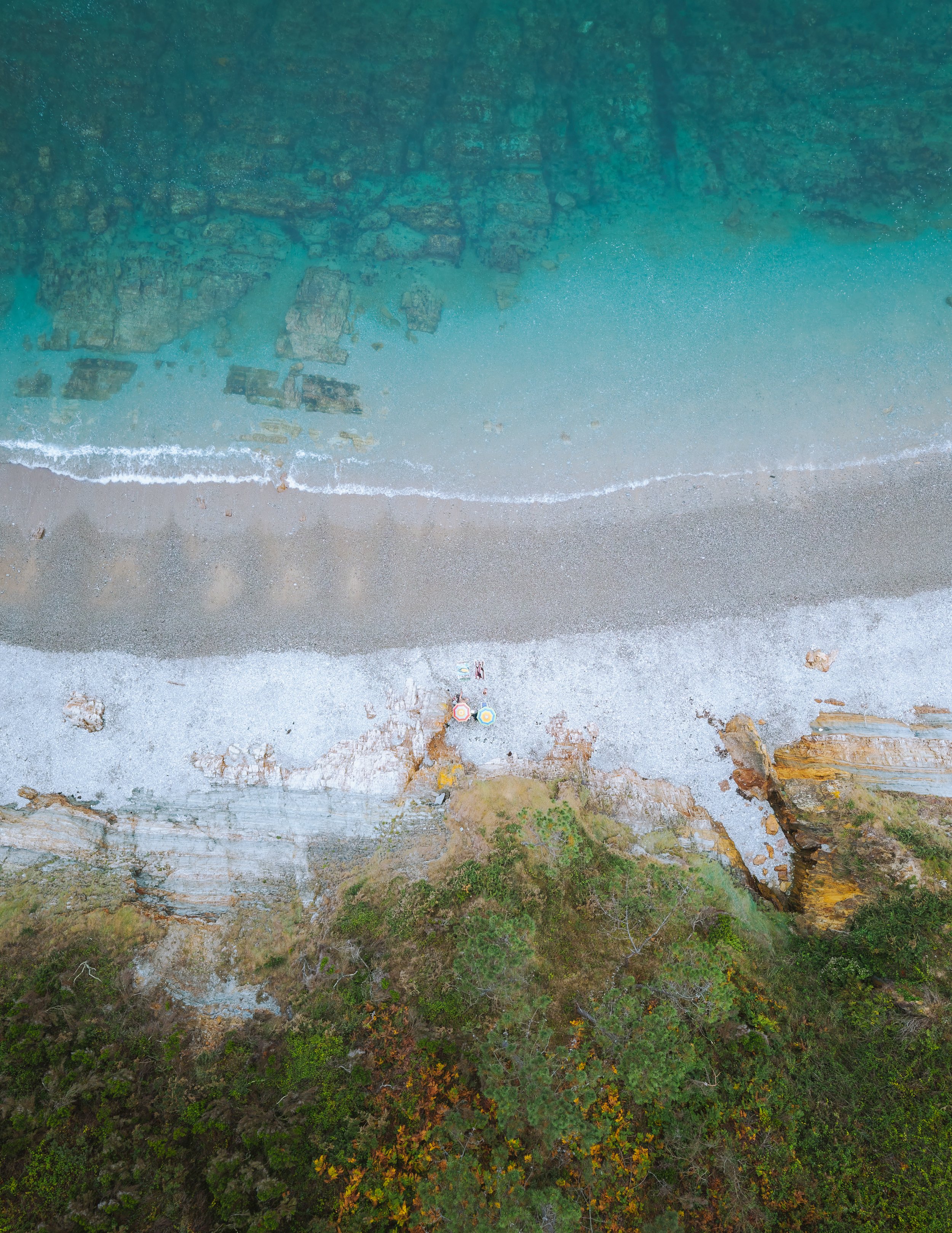
The cove was absolutely stunning and from above, we could see it was peppered with a lot of small and medium-sized sea stacks out in the water. So we descended to it and it was like suddenly everything made sense.
Finally, all those elements I was looking for were there. The subject, the alignment, the distance I needed. It wasn’t perfect - but it was more than good enough.
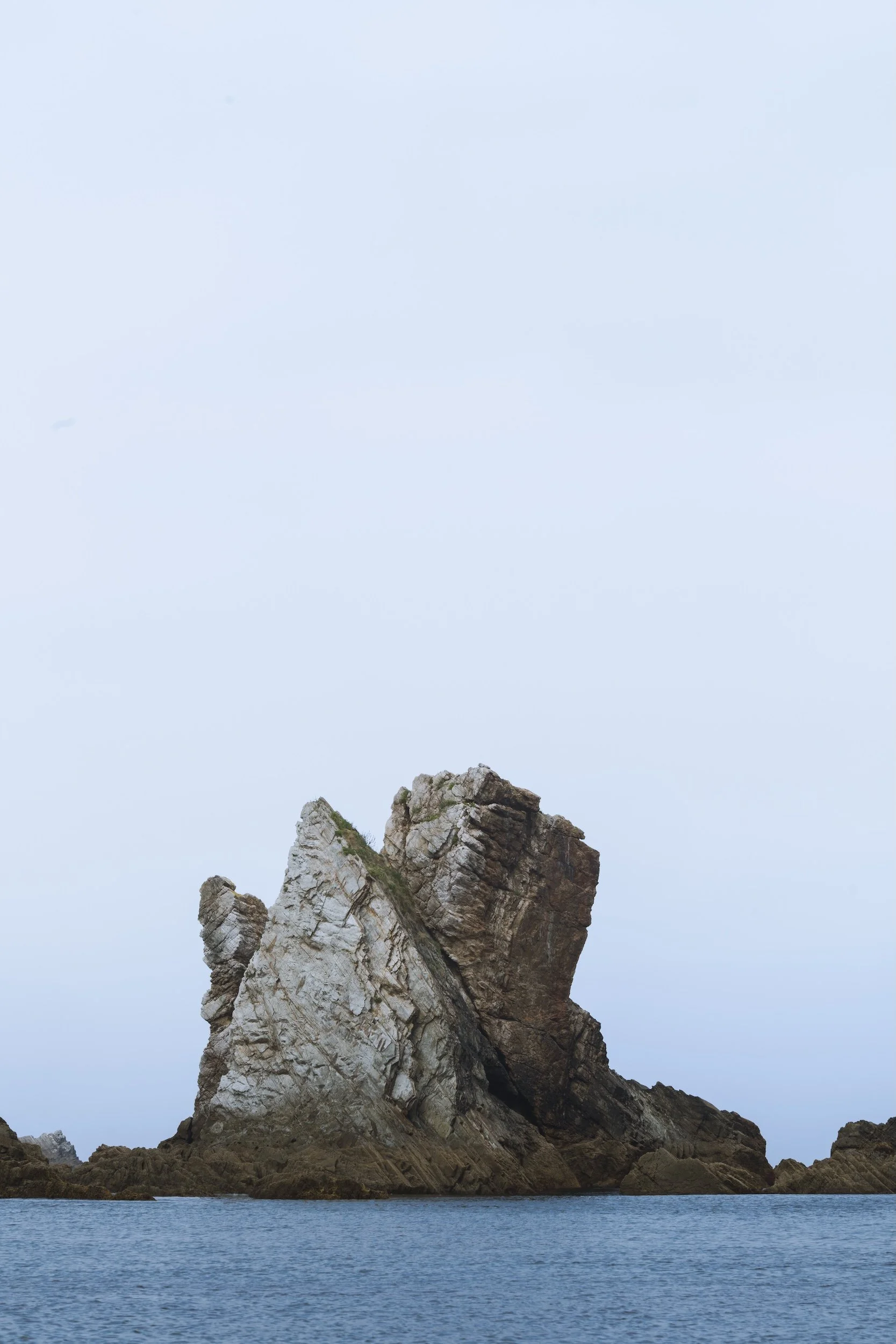
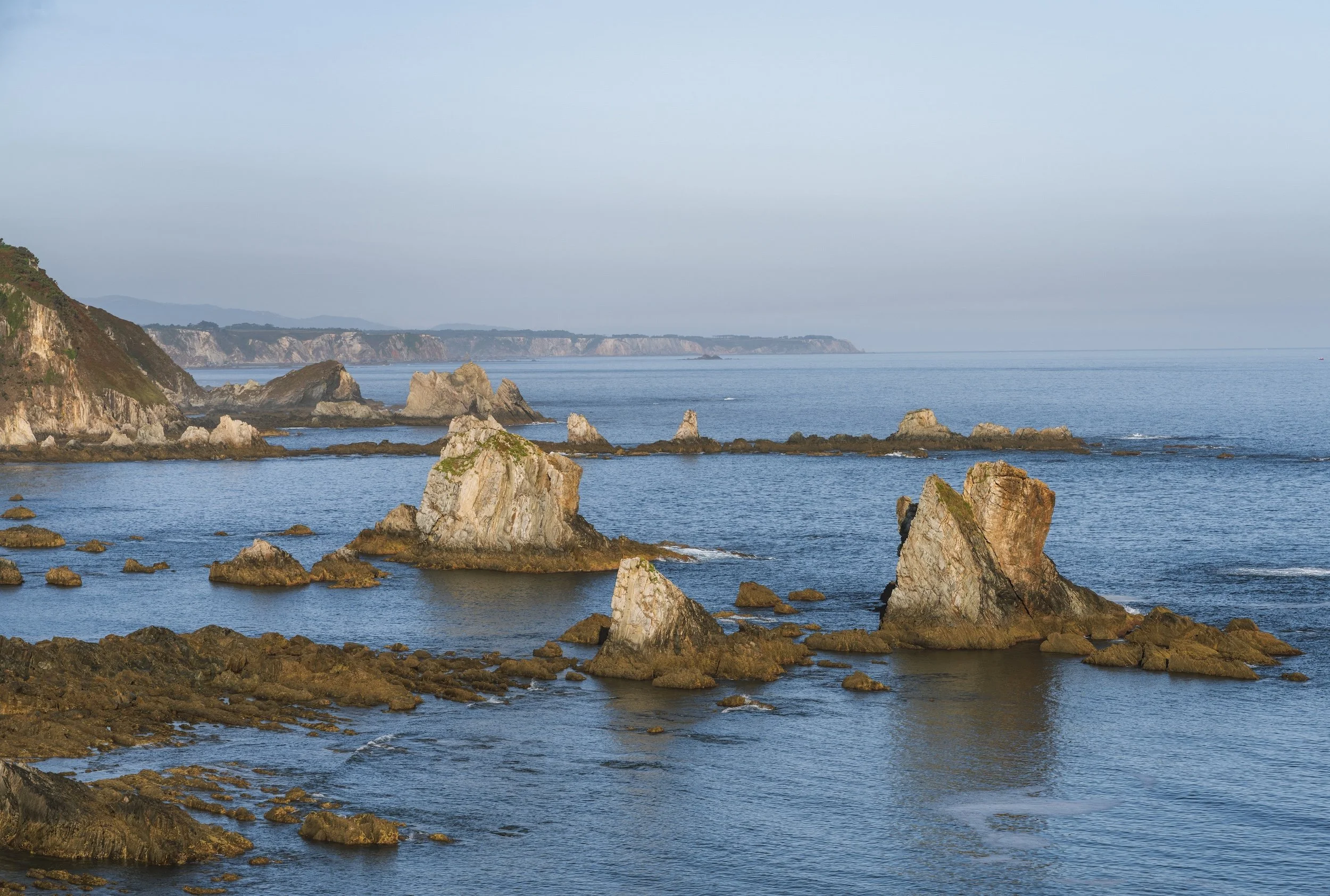
These stacks were going to be my main subject for the landscape images.
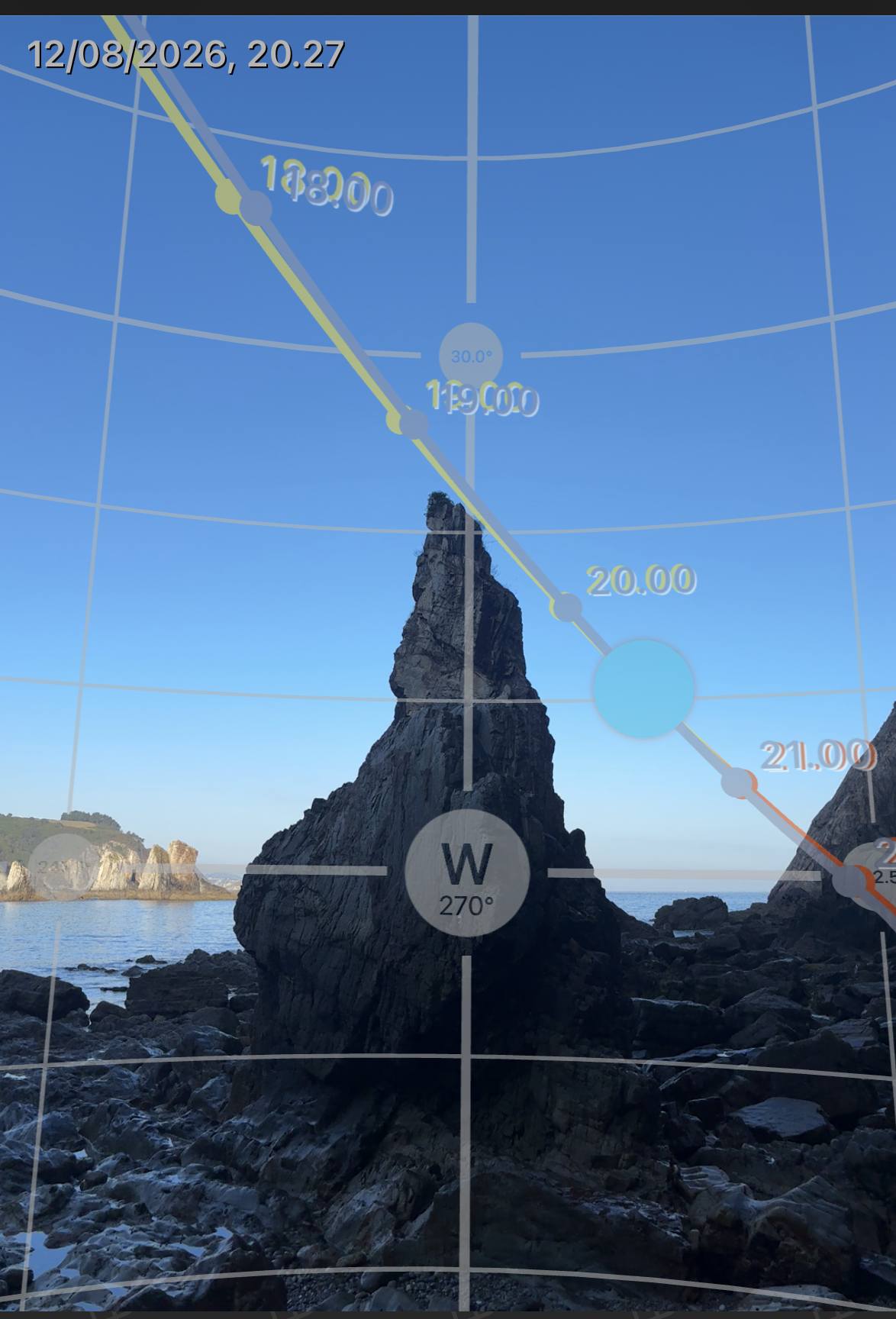
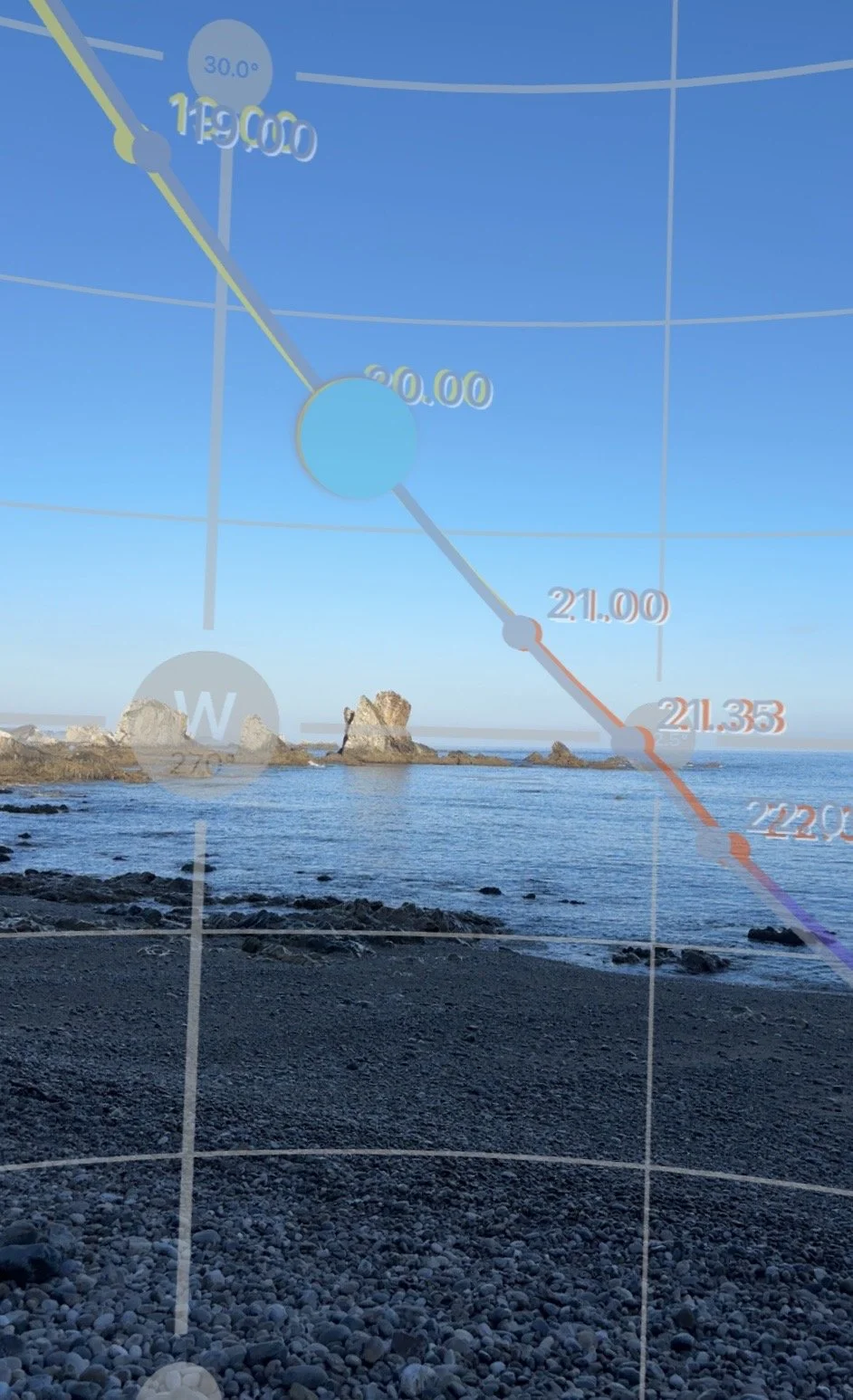
As you can see below, I had two different options - one with a wide angle lens and right-side placement of the sun at totality, while the other was a long lens image with the sun above the sea stack in the water.
Day of the eclipse
Preparing for a full day on a remote beach from early morning till late evening meant everything needed to be ready.
We brought food, beach gear, all the camera gear, water and everything we needed to stay at this location for the entire day.
We arrived around 7AM to make sure we get the best spot on the beach and set everything up.
The morning started out cloudy with high humidity and mist in the air. All forecasts claimed that it would clear up - so we trusted the process.
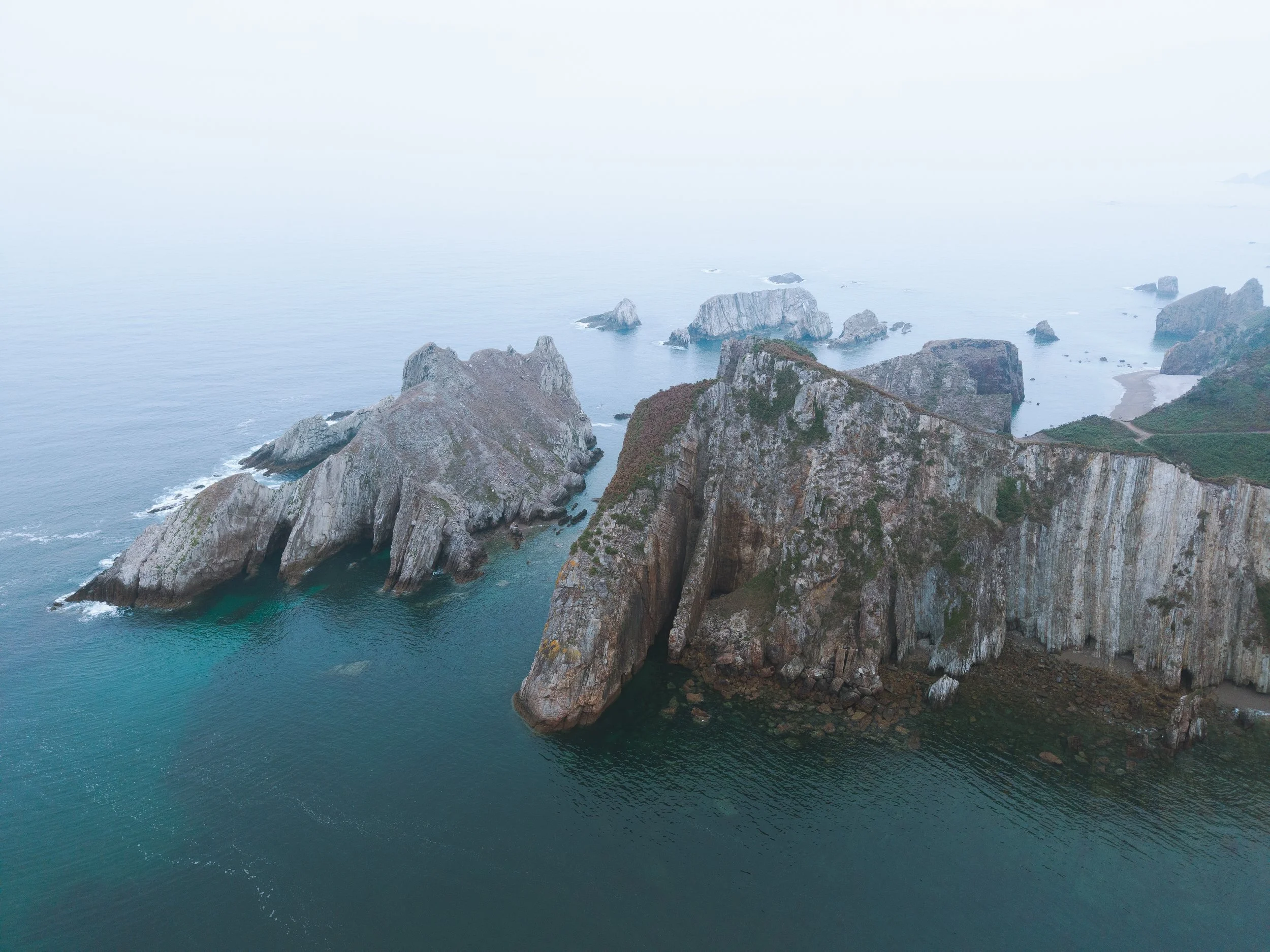
This is how our day started. Weather was very different from all forecasts but it was more than 12 hours before the eclipse - things could change.
For many hours we waited patiently for the clouds to clear.
Around 12PM the sun came out briefly which gave us hope that we were on the right track. Totality was at 20:28 local time, so plenty of time left.
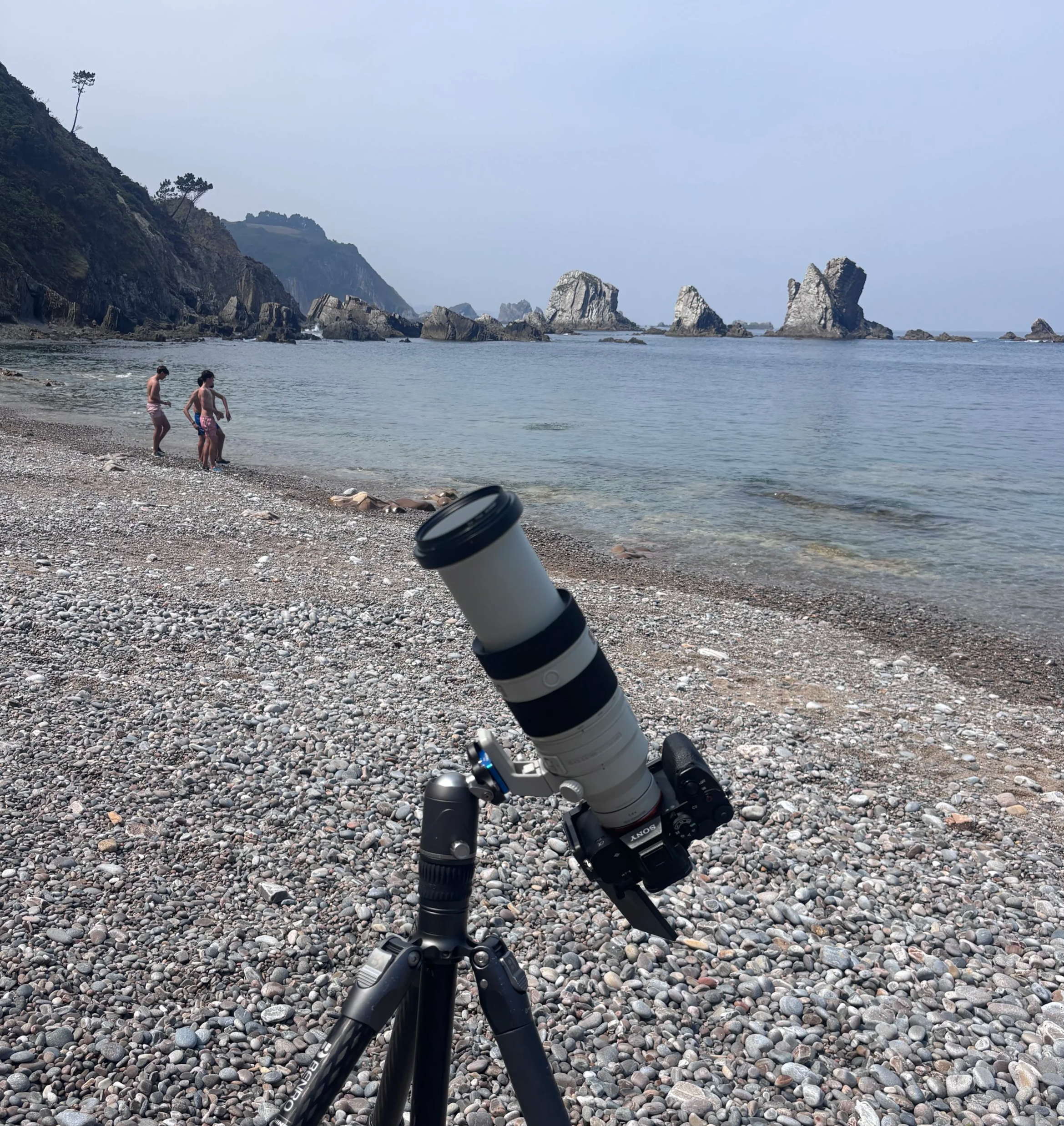
Practicing with the sun filter as the sun had come out.
But as the hours went by, clouds became thicker and they seemed to stop moving. With limited service, we had a hard time accessing updated weather forecasts but when we did, they all said the same - sun was coming out.
Around 4:30PM people started leaving. It made us feel like we should do the same - but we had no better alternative.
The doubt and loss of hope were starting to creep in. I was prepared to give up and thought it wasn’t meant to be and that I would enjoy whatever was possible given the circumstances.
We had spent so much time finding this location. Leaving to somewhere completely random felt like a huge effort for potentially no reward.
Both me and my husband’s energy levels were really low and we felt defeated.
But then… a shift happened. It hit hard that we were so close to seeing the eclipse only to give up right when it mattered most. So around 18:00 we finally decided to leave.
1:30 hour until eclipse start
This 1:30 hour was by far the most hectic and rushed stretch of time I’d had in a long while.
Running up the stairs with heavy gear, jumping in the car with no idea where to go… we just began driving west.
While I was driving as fast as I could, my husband was looking at the satellite imagery and trying to find a spot - any spot - where we could at least see the eclipse. Photography was not even a priority anymore.
We picked a completely random place - a viewpoint over the ocean with a good angle and some elevation. No preparation, just pure adrenaline.
The pace changed so fast. We went from heavy and thoughtful preparation to pure panic mode trying to figure things out on the go. It was chaotic and stressful to say the least.
But as we were driving further west, the clouds were dissipating. We were beginning to see the sun.
We had 45 minutes left of driving, eclipse start was in 30 minutes. Every minute counted.
Eclipse start and reaching our location
We arrived at Cabo de Morás in a cloud of dust.
The eclipse had already begun by the time we reached it - so I ran for the hills. I knew I had to move quickly, but one thing struck me right away.
The location was stunning. It was open towards the ocean with a beautiful view over cliffs and a lighthouse far in the distance. The alignment with the sun wasn’t perfect - but it was SO much better than I thought it would be.
It felt like our efforts were rewarded by getting to such a beautiful place completely by chance.
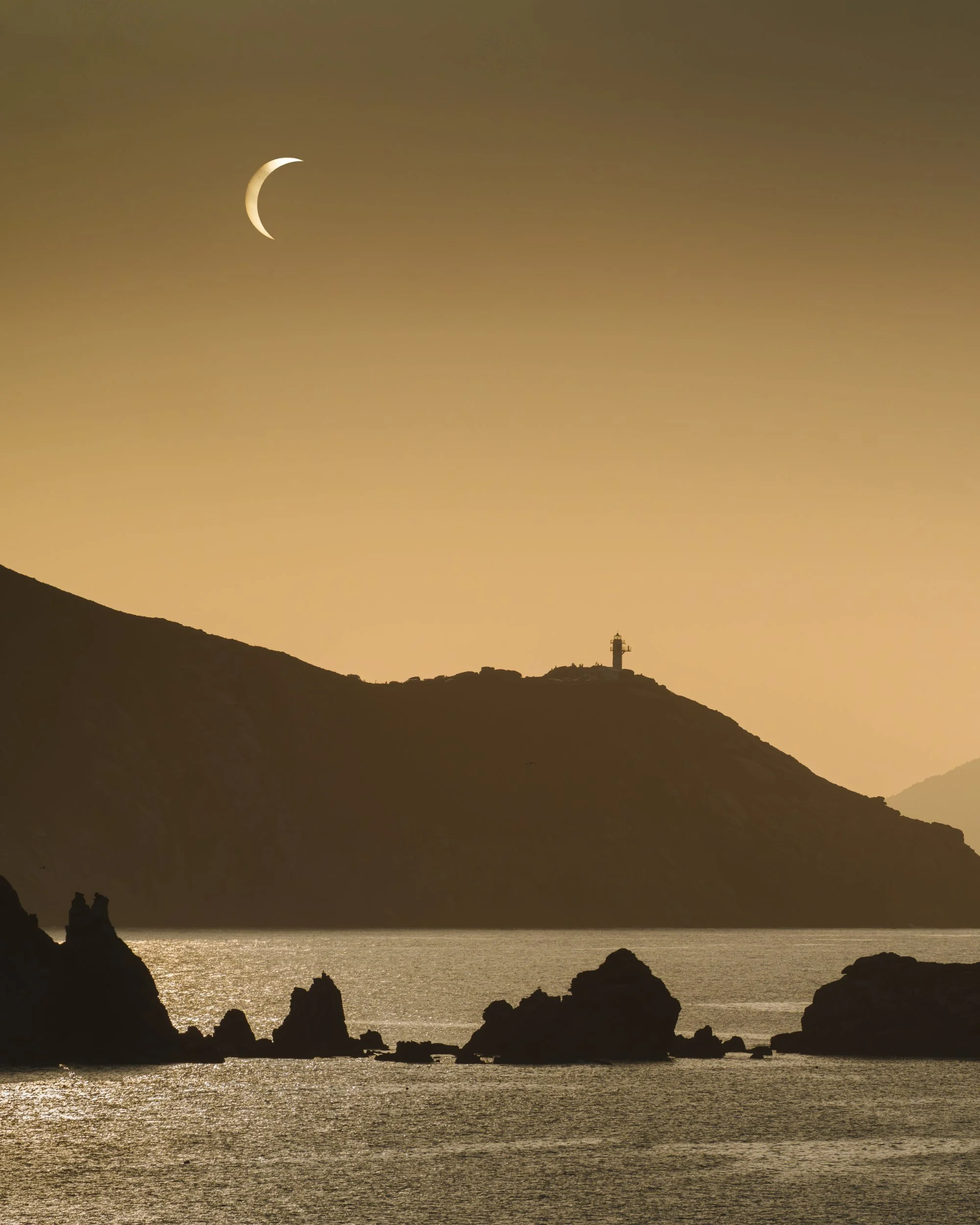
Setting up my gear and beginning the shoot
I had already missed the start of the eclipse. So setting things up quickly was critical.
Luckily, my cameras were both already pre-set on the settings I needed, so all I had to do was figure out the composition on the go.
This was my setup:
Main body Sony A7RV with the 100-400mm lens + 1.4x Teleconverter was used to capture the sun’s corona at 540mm with the ND 100.000 filter on.
Second body A7IV with 24-105mm + ND64 was set up to capture the wider landscape shots.
Both cameras were set on intervalometer to take photos every 15-20 seconds.
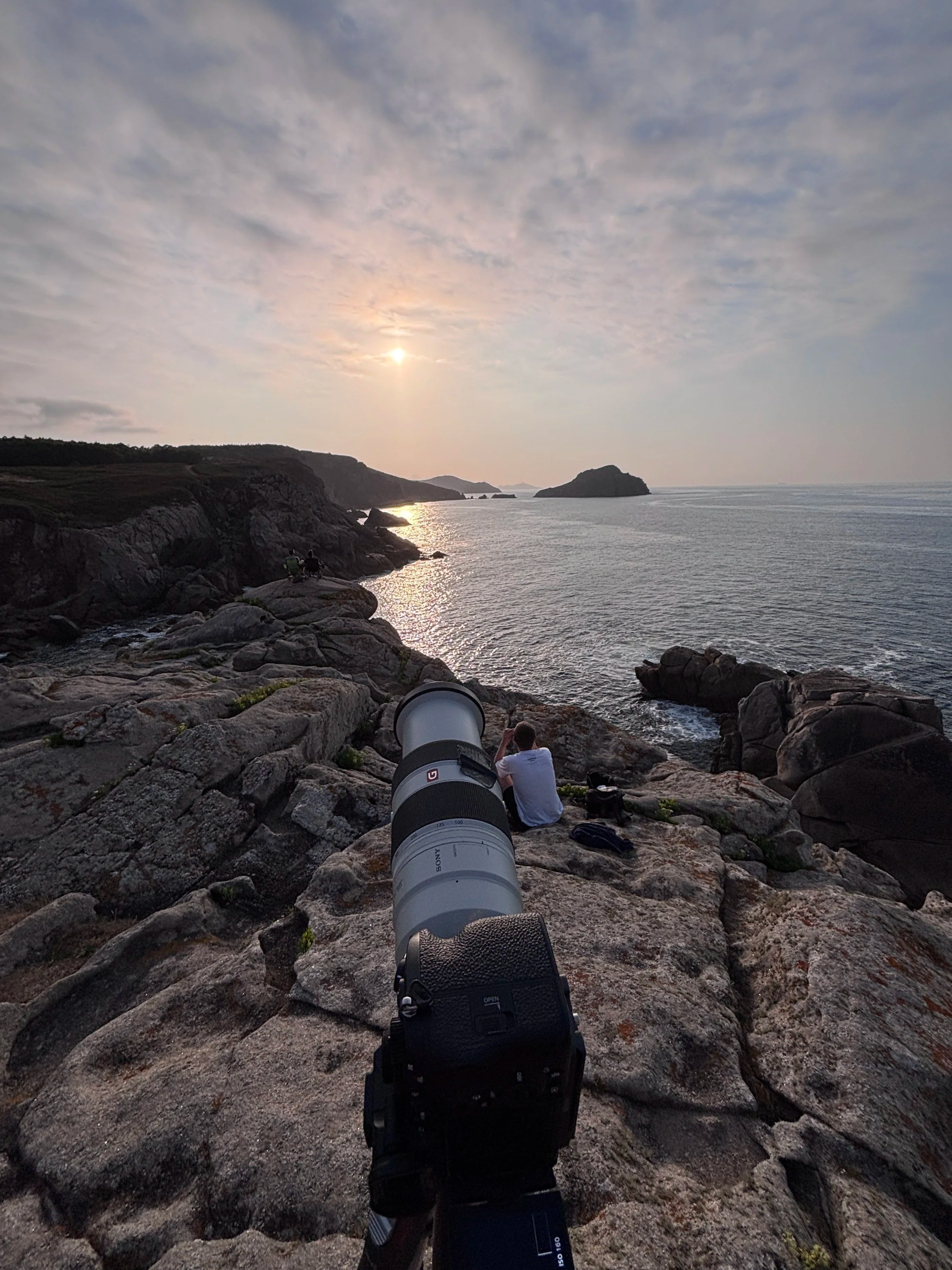
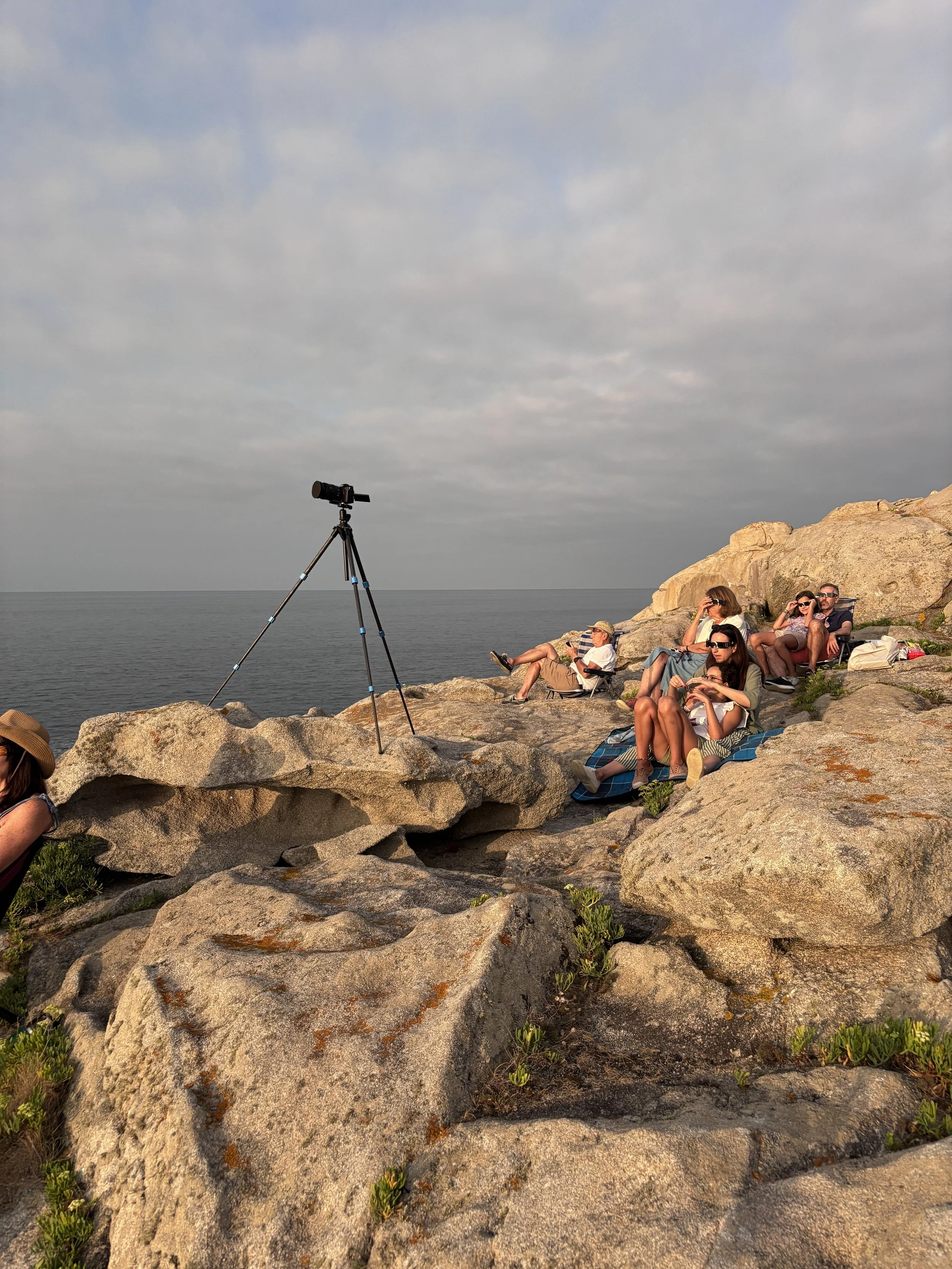
Light was changing fast. I had to constantly move between cameras to adjust settings, angles and remove filters for capturing the foreground as well. Everything, all at once.
Adrenaline was running through me like crazy. I knew that the partial phase was the easy part.
Not having had time to settle in and take things slowly made me uneasy and it was hard to not let stress take over. But I did my best to keep a cool head and prepare for the hard and most epic bit: the totality phase.
20:25. 3 minutes to totality
The moments before totality were so charged.
I had to prepare myself mentally and physically for experiencing the 45 seconds it would last and make sure I both photographed it and enjoyed it with my own eyes.
Light was dim, the atmosphere was eerie… and everyone was waiting.
I think I almost forgot to breathe in those moments as I was waiting by my main camera for the moon to swallow the sun entirely.
My priority here was to get that filter off the long lens as quickly as possible and adjust the settings - without messing up the focus.
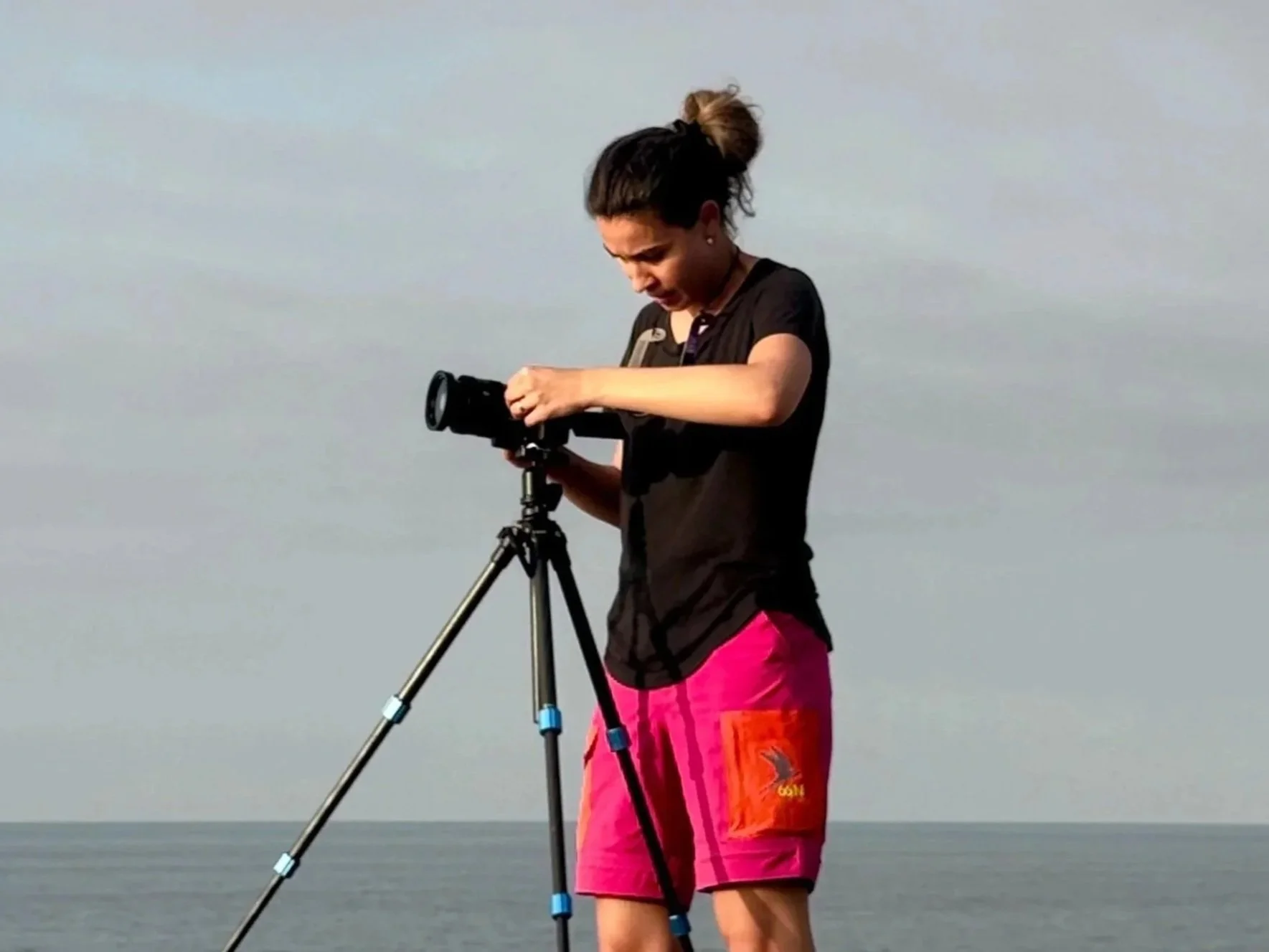
I cannot lie that I really felt the pressure at this point and my nerves were pushed to the maximum.
20:28. Totality hit
It became dark. My heart almost stopped when I took my eclipse glasses off.
I have absolutely no words to describe how this moment felt. It was like time had stopped… But I had to act quickly.
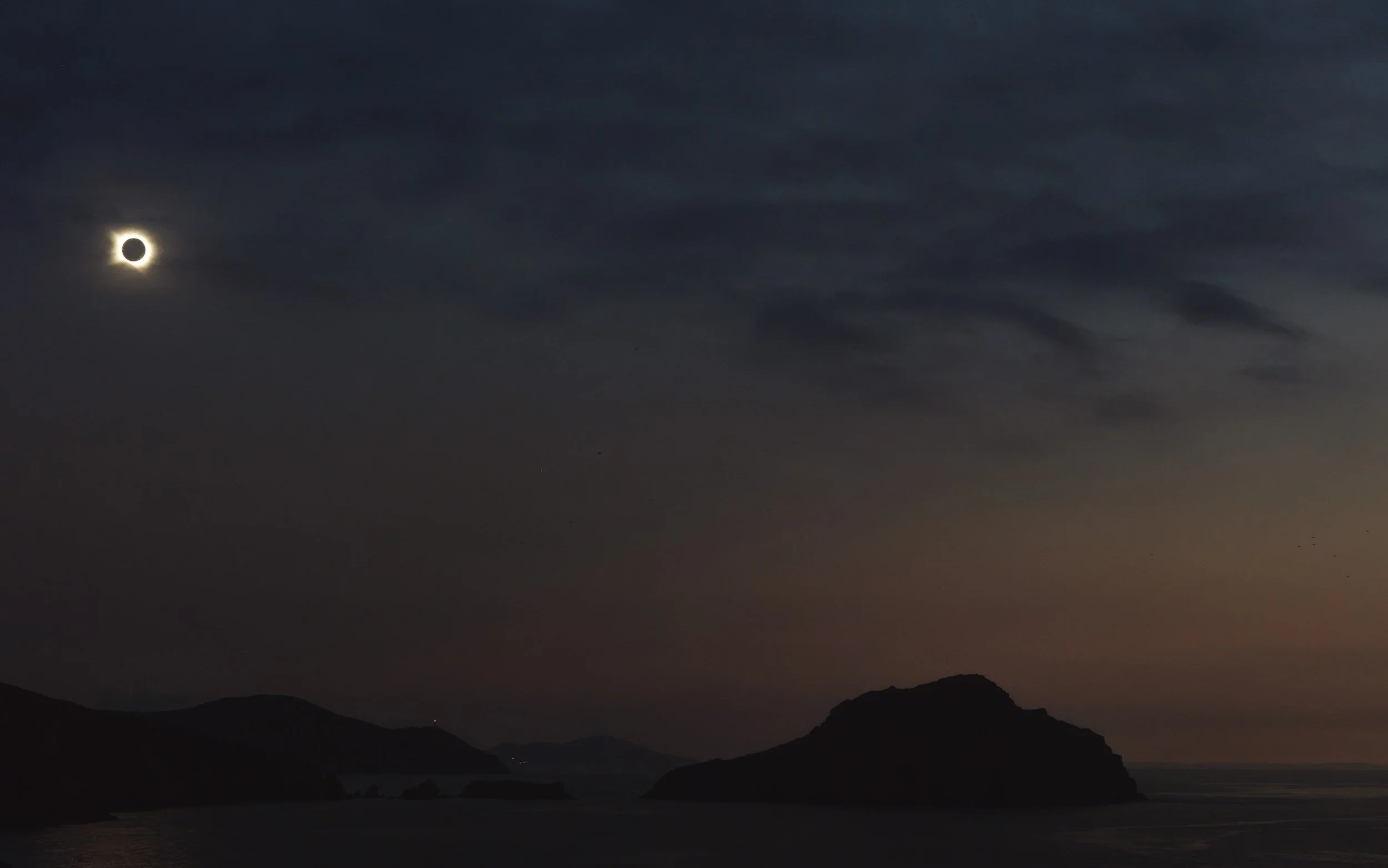
I removed the filter from the lens and quickly adjusted my settings to match the light changes.
By unscrewing the filter I managed to displace the focus ring just enough to lose focus on the sun.
I interrupted my shoot, started to readjust the focus, but trying to do this on a dark object isn’t easy - especially when you’re under time pressure.
I made a few attempts to refocus but time was running out. I knew I couldn’t have many more attempts before it would be too late.
So I left the camera on the intervalometer to continue capturing totality, while I stared in awe at the insane sight in front of me.
It was the most magical and unreal feeling to experience totality and see the sun’s corona, the prominences and see that unnatural darkness that came along.
20:29. Past totality
Then the first beam of light came. And it was bright again.
Once again, my heart started racing because I suddenly had to run between the two cameras once more to put the filters back on.
My ND filter on the second body was quick to add due to it being magnetic.
However, having a screw-on solar filter on the long lens made handling it cumbersome in a situation where every second counts.
I ended up having to pull down my camera entirely as the sun’s rays started hitting the sensor to make sure it wouldn’t burn it.
Then I slowly screwed the filter back on before returning the camera to capture the post-totality phase.
The 2 seconds post totality without a filter were scary. I had no idea how much the sensor could take before it became dangerous.
In spite of that, by being slightly slow in adding my filters back on, I managed to capture two of my absolute favorite images from the eclipse - just as the first beam of light hit.
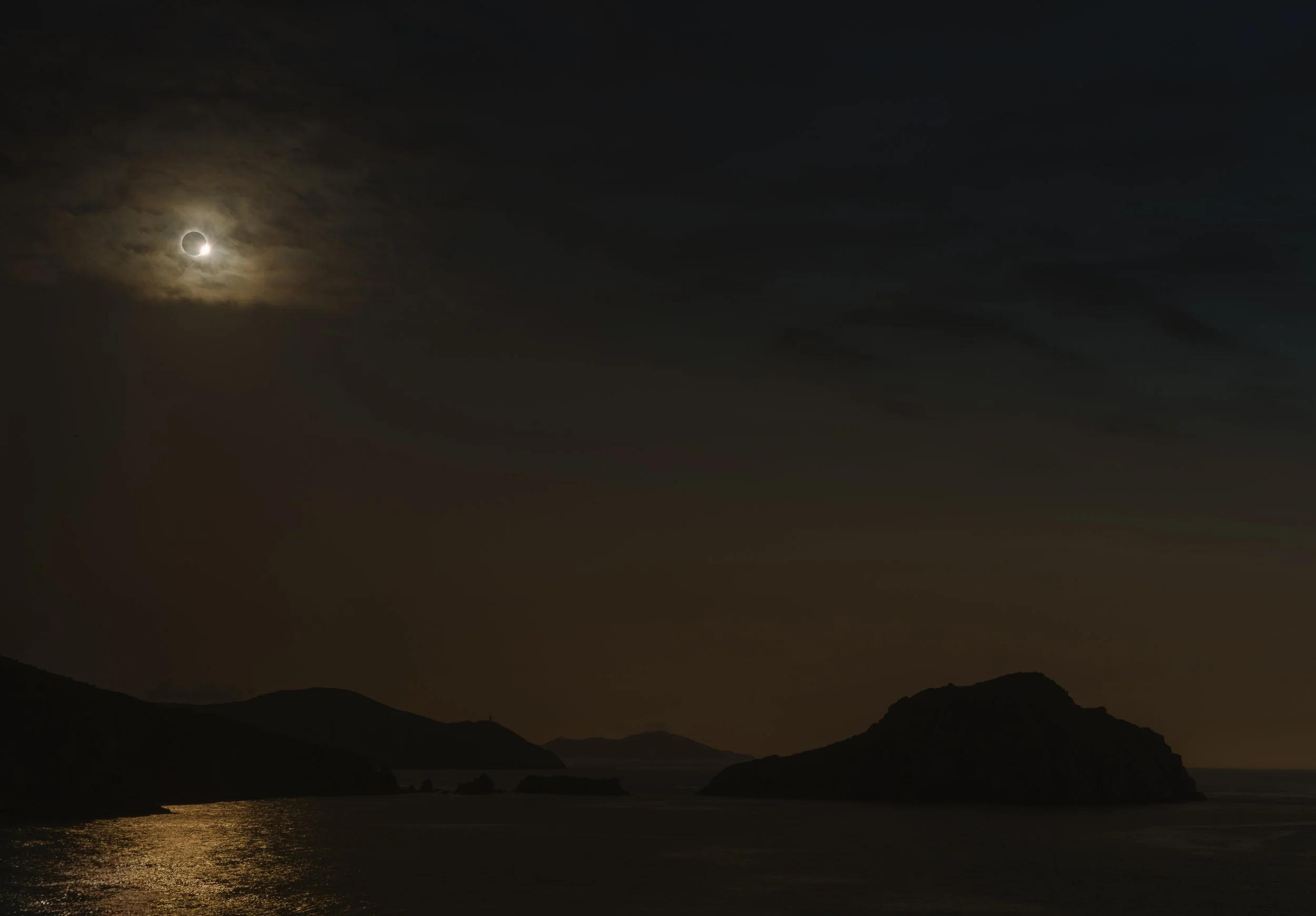
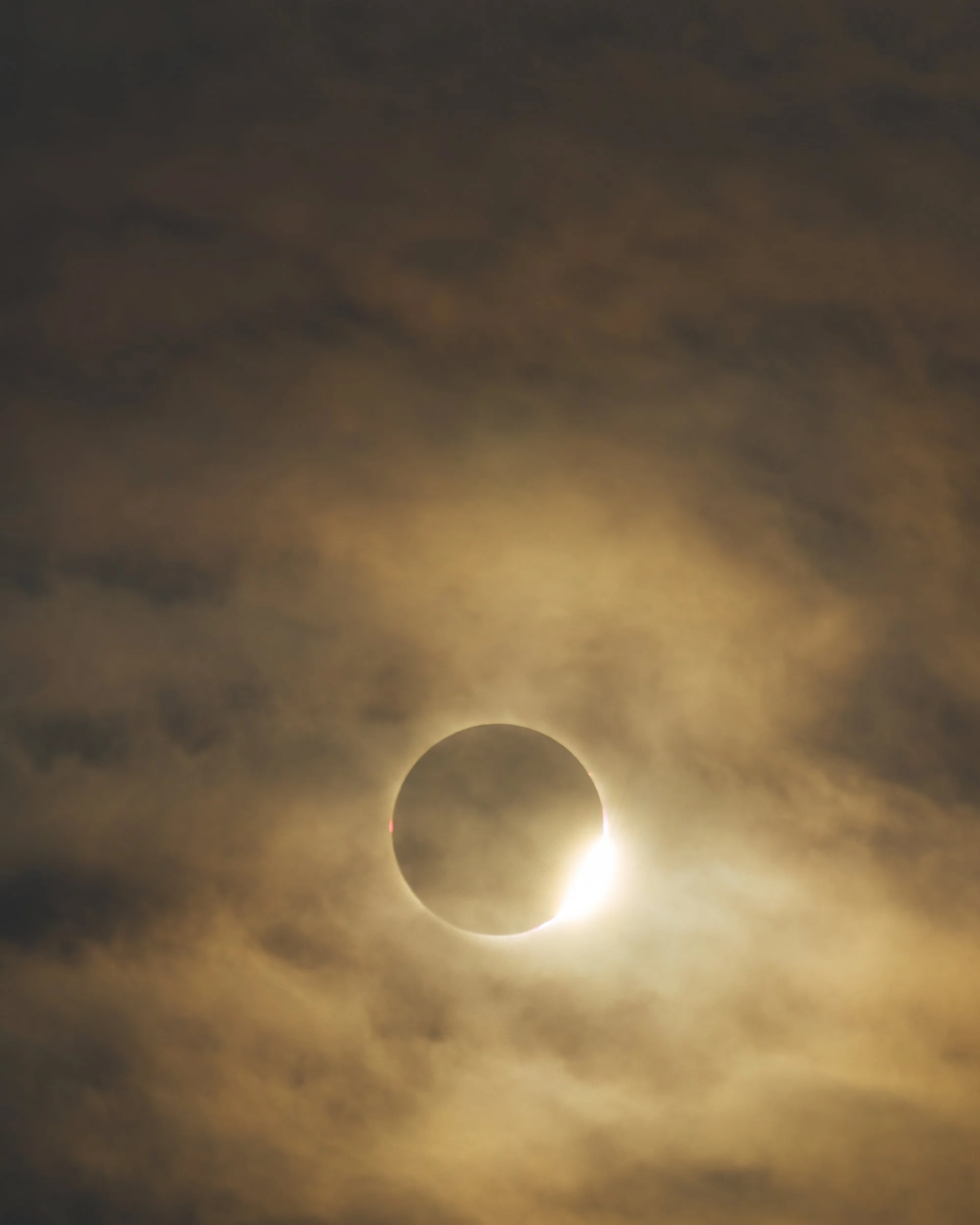
Second past totality, no filter. One shot on each camera.
Aftermath and sunset
After capturing more eclipse phases, I took a bit of time in between calming my adrenaline levels to check my totality long lens images for sharpness.
As I suspected, the focus had shifted during the filter change and unfortunately I did not manage to regain perfect focus in those 45 seconds. That resulted in those images being slightly out of focus.
I am of course disappointed about that. Ideally I should have been more careful and ensured that my focus ring was set in place firmly.
At 540mm, the slightest touch of the focus ring can throw everything out of focus. This is why taping it is a good idea, which I had done. However that tape did not seem to hold.
I don’t regret not trying harder to regain focus despite having a gut feeling that it had happened. In those moments, my brain was so wired that I could only concentrate on basic tasks and didn’t feel confident in making more focus attempts without losing important seconds.
By letting go of the camera, I managed to look up and enjoy the mind-blowing celestial event that was happening right in front of my eyes. It was the reason I had come.
The post-totality phase was in fact my favorite from a mental state and enjoyment point of view - besides of course the climax of totality.
The pressure had eased and I could enjoy capturing time lapses and different compositions of the post totality phase while the sun was setting.
We were also rewarded with the most gorgeous sunset to end the day on a perfect tone.
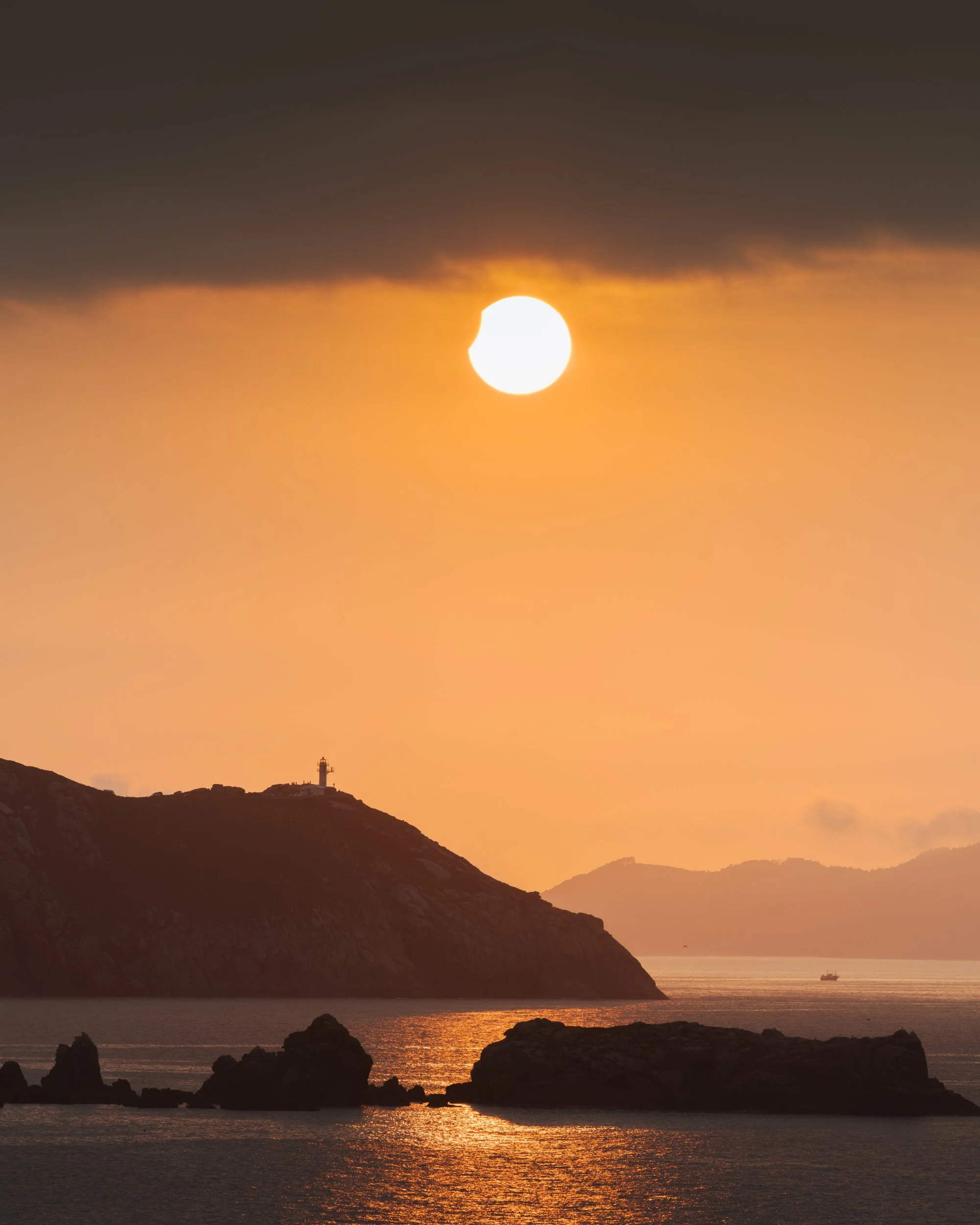
Sun setting and almost the end of the eclipse. No filters needed at this point as the luminance of the sun was much lower and it was further reduced by a thin layer of clouds.
What I learned from this experience
I don’t think I can compare this eclipse to any other experience I’ve had as a landscape photographer.
I have never done this amount of preparation and work for an event that lasted a bit over two hours with a climax of under one minute.
So here’s what I learned from this unique experience.
No amount of planning can replace being physically present in the field.
In hindsight, the heavy amount of scouting we did was maybe too much and spread too thin over huge distances. Also, I spent so much time at home trying to calculate perfect angles for places I’d never seen before. Yes, I was right about a lot of it but in the end, what made the difference was being there physically and evaluating all parameters.
Being responsive can make or break it.
The response I had to the weather developments in the field was too slow. We should have left the cloudy beach earlier when we saw the weather was not improving. But having invested a lot of time and effort into finding a place, a part of me really wanted to believe it would work.
The tools you use can help you or get in the way. Make sure it is the former.
Having a screw-on ND100.000 filter was not the best idea. I underestimated how clumsy it’d be taking it on and off in those very important seconds. It’s what made the difference between sharp and soft images for me.
The mental state you’re in guides the entire experience.
In such high stakes circumstances, a change in mental state can really impact how you experience and react to things outside your control. Holding on to fixed ideas, feeling defeated or giving up entirely is never helpful.
Don’t underestimate mistakes happening under pressure.
Stress can make you do stupid things. So try to learn to help yourself in these situations before you’re already in them. Have a robust setup, cameras preset to the right settings and practice.
An event I will never forget
This eclipse was so memorable and impactful that I will surely never forget it, regardless of whether or not I will get to experience another similar event in my lifetime.
One thing is for sure - I am so grateful that I got to experience it, share my journey with you and last but not least, got some photos I’m very proud of for being my first ever solar eclipse shoot.
If you’ve made it this far, thank you for sticking with me! Hope you enjoyed the rollercoaster.
/Alexandra