Iceland in winter: Get your dream shots in tough conditions
Introduction
As a landscape photographer, there probably isn’t another country in Europe as highly desired and on the top of the bucket list as Iceland. It is highly visited by a staggering amount of tourists and photographers alike and it has definitely become one of the world’s most popular nature and photography destinations.
I have personally visited Iceland 4 times in the past 3 years, 3 out of 4 times being in winter. It is such an addictive place that once you go there, you have a very hard time not returning over and over. My latest trip in January 2024 was a purely photography-focused one and I managed to capture some of my absolute favorite (and I think best) photos in Iceland until now.
In this blog, I wanted to share a few tips on how to ensure you make the most out of the conditions you get. Going to Iceland in winter involves a good amount of risk but the reward is massive. The weather can be very harsh and days are short, so knowing how to maximize each day is really important.
Drive to and from locations in the dark
This first tip applies of course only if your accommodation is further away and you need to go back for the night. For those who want to try a camper, you will of course avoid this since you can probably camp close to your location.
Iceland in winter has very short days so driving in the dark to reach your location by sunrise (which is around 11AM in winter or even later) is a great idea for multiple reasons:
Arriving early at popular locations is necessary if you want to be even remotely alone. You may not be alone at all even if you arrive long before sunrise but you may at least have fewer people for an hour or so before the tourist buses flood in.
Iceland has an incredibly long twilight in winter. On a clear or partially clear day, there is indirect light long before sunrise and long after sunset (around 1:30 hour to each end) and often, that is when the most incredible, out of this world colors light up the sky. Missing out the chance to see and photograph this because you’re driving is truly a big shame.
You make the most out of the light. As I mentioned, days are short (around 4-5 hours of daylight), so every minute counts.
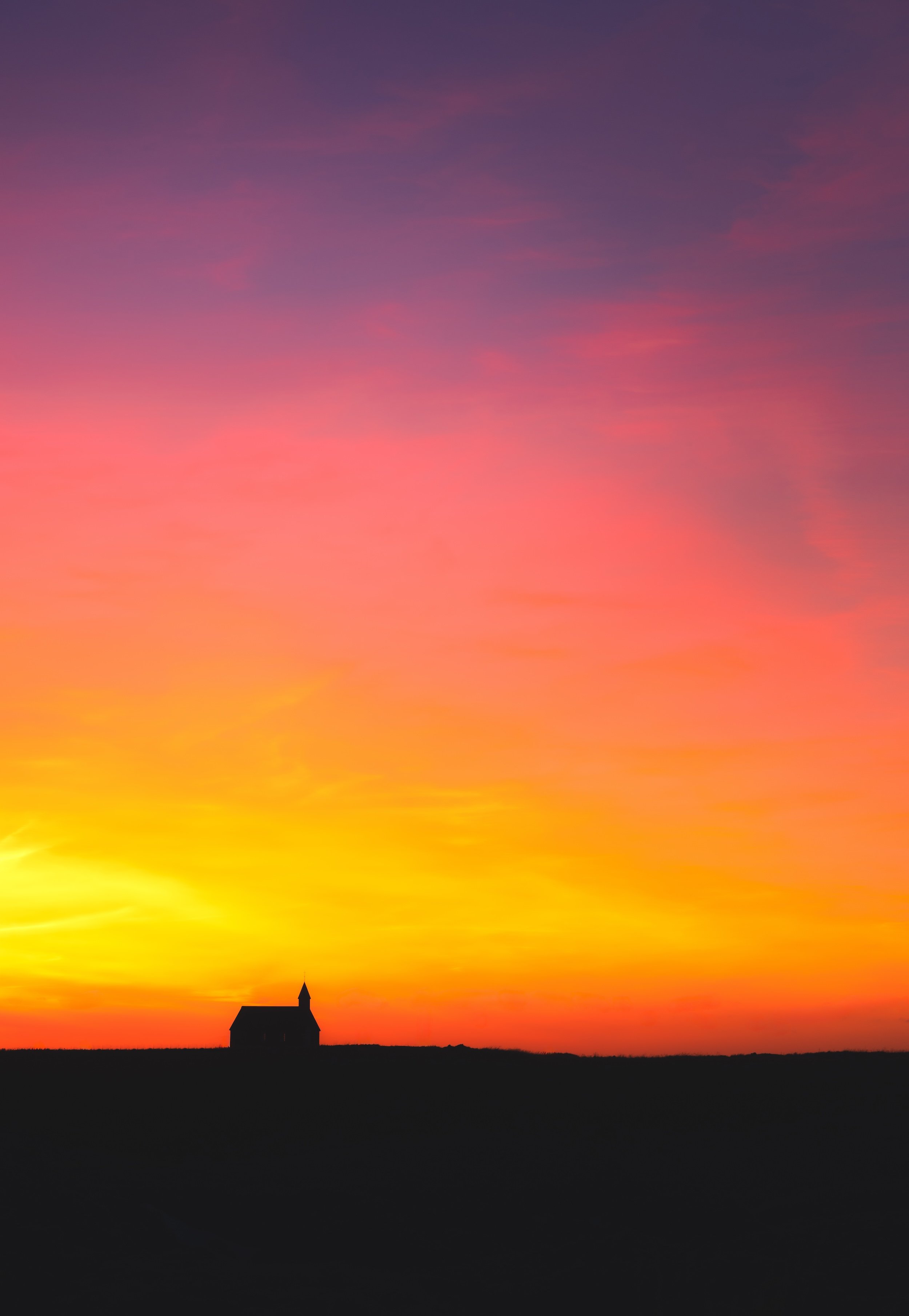
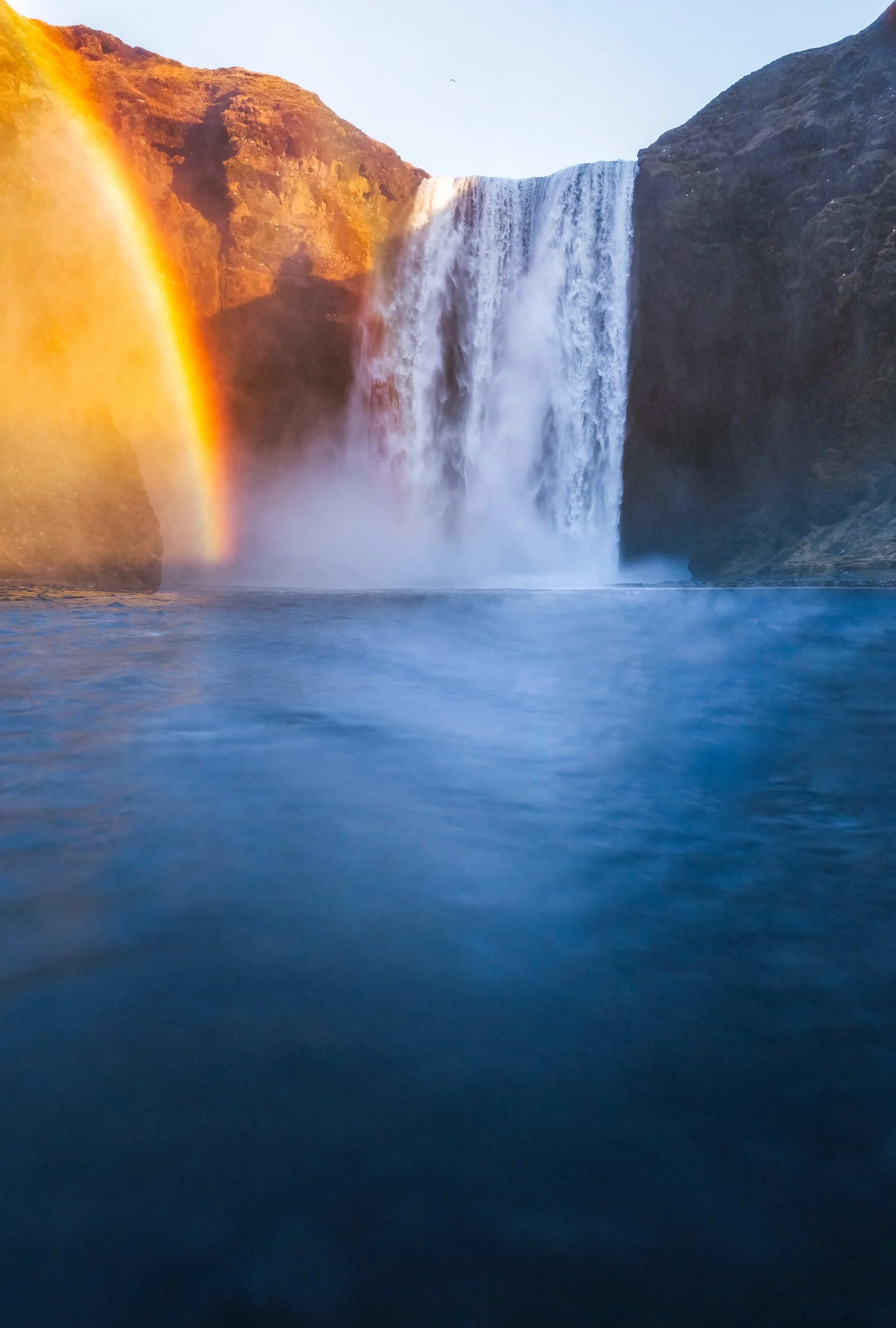
This image was taken around 30 minutes before sunrise when the sky was crazy lit. The colors were insane and at this point in time, they were the strongest. The colors started to fade closer to sunrise due to the sun brightening up the sky too much.
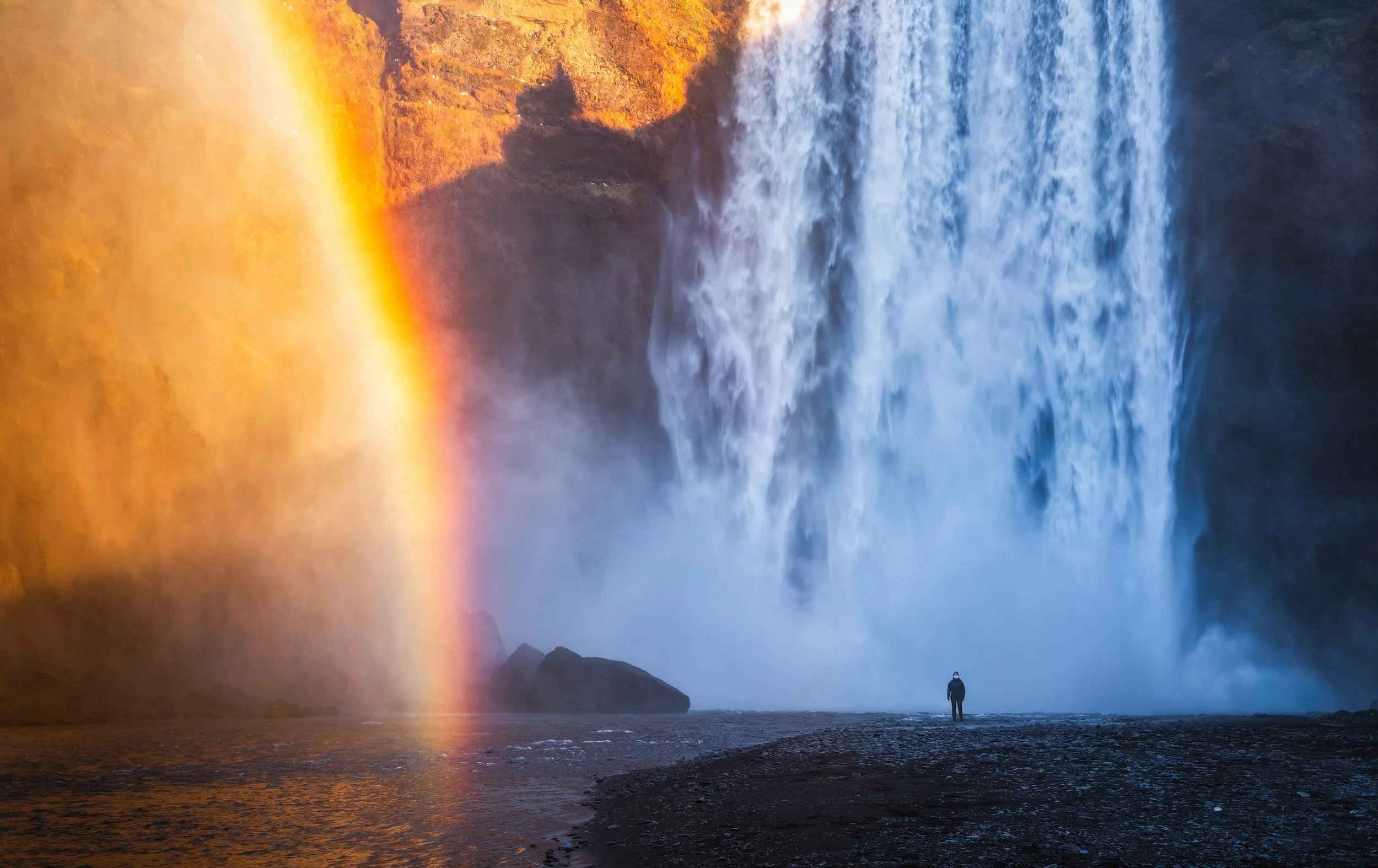
The rainbow at Skogafoss this time of year only shows for around 30-40 minutes right after sunrise when the angle of the sun is just right to create refraction. Being there in good time meant I could play around with different compositions and be ready for when it appeared.
I’ll be the first to admit, this is by far my least favorite part. It doesn’t give me any pleasure driving 2-3 hours in pitch black on slippery roads, high winds, snow or anything else Iceland throws at me. If you don’t mind driving in the dark it might be a bit easier for you but nevertheless, the weather can change massively so driving carefully is of course of the utmost importance.
The best part is that although you are driving in the dark, you don’t have to wake up that early. I would normally leave around 7AM and still have plenty of time at location before sunrise. (with a 2-3 hour drive). This of course depends on your driving distance.
Note: I would absolutely recommend sleeping at different locations if you need to travel far. This is especially valid in winter when the days are so short and the weather so harsh and unpredictable.
Have a well researched but flexible plan
Research is always important when going on any trip and even more so for a photo trip. However with Iceland and especially with Iceland in winter, you absolutely need to have plans B and C. The weather plays a huge role in deciding not only what kind of shots you will get but also IF you will get the shots you were planning for at all.
Winter storms with hurricane force winds causing closed roads, high waves or (the recent) volcanic eruptions are but a few examples of why your initial plan might fail miserably. Visiting this country in winter involves a great amount of risk. It can easily switch from wonderful mild days with perfect light and no winds, to brutal cold with hurricane winds and snow blizzards.
A flexible plan meant in my case having few key locations I wanted to visit and knowing the ideal conditions I was aiming for at each of those locations. Then when I arrived in Iceland, I checked the weather on multiple sources (but the most reliable one being the Icelandic website vedur.is) every single night to plan my next day. Oftentimes I even woke up earlier in the morning, rechecked the weather and adjusted the plan I’d just made in the evening to fit with the latest forecast.
Leaving aside the possibility that you might be stuck inside for a few days due to storms, the island has such diverse and changeable weather depending where you go, that even 1 hour of driving can make a big difference. And being at the right place in the right conditions requires flexibility and agility in planning.
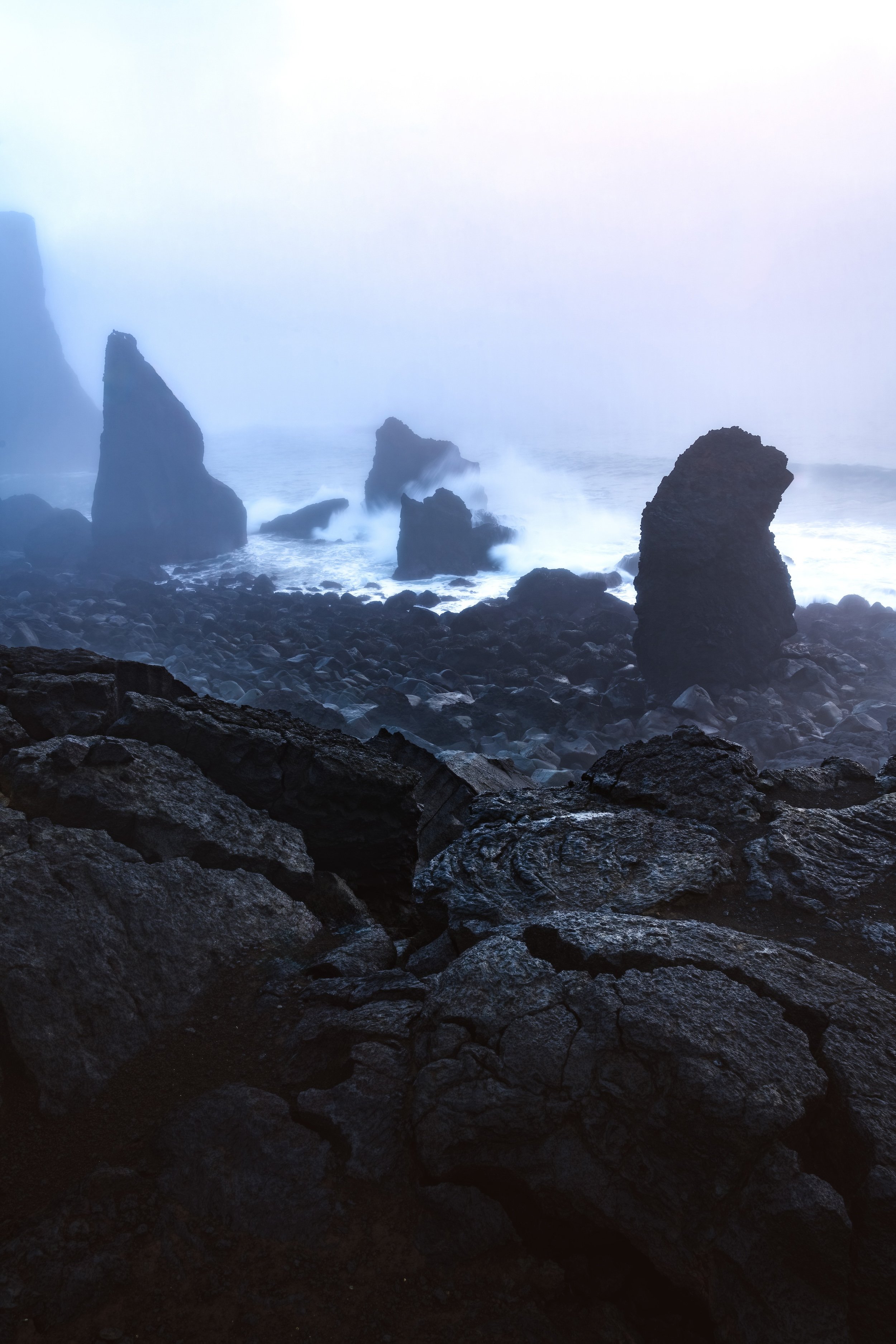
I had planned on coming to this location during my trip but when I saw the sudden fog forecast for the day, I knew I wanted to be here to capture this place in very unique conditions. I changed my plans I had made that morning to come here and I am very happy I did.
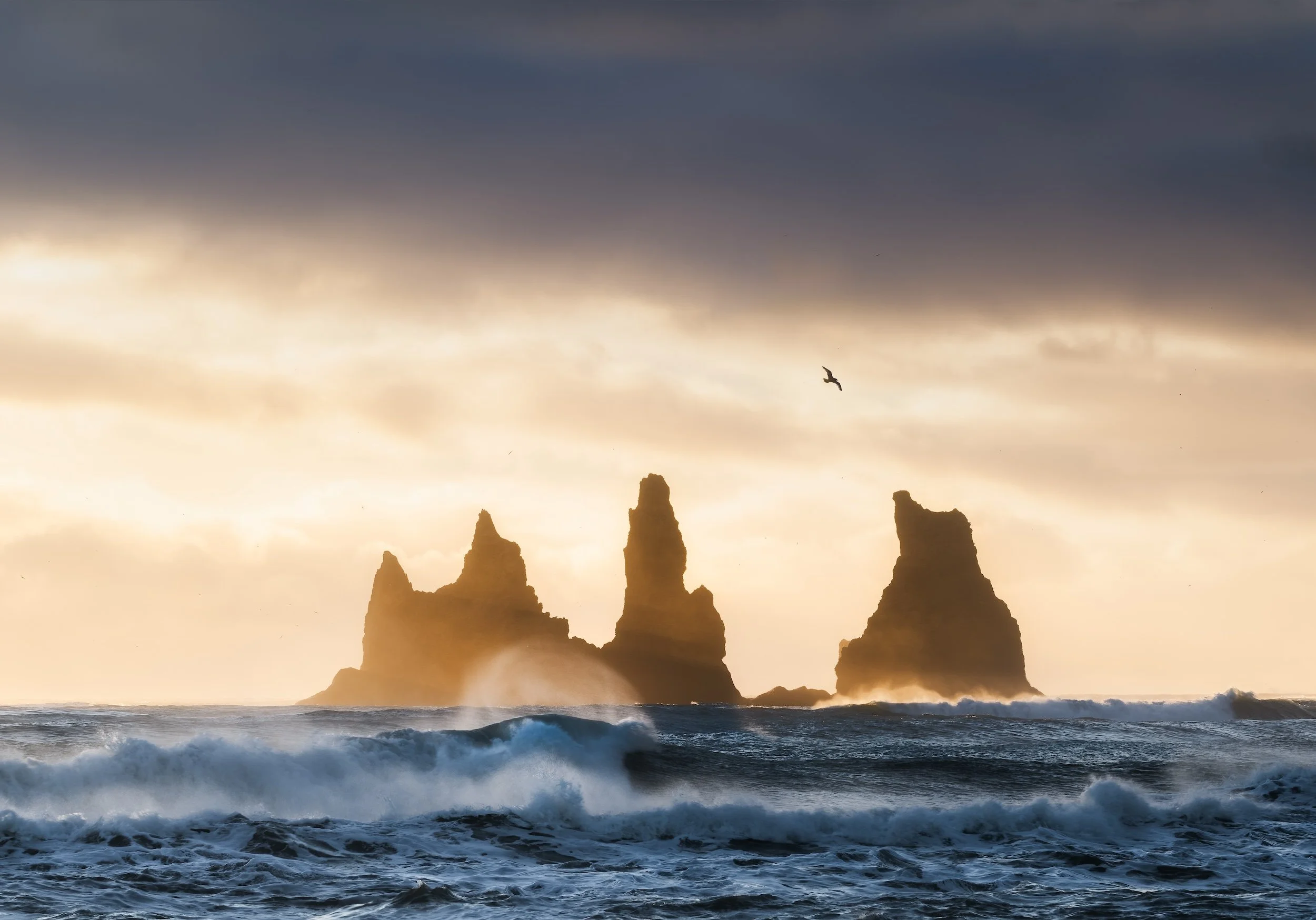
I knew that the first day in Iceland would be windy and there was an orange warning for high waves at Reynisfara. That meant that I made the most out of the conditions, kept distance from the ocean but captured some gorgeous epic waves.
Let the location sync in
In Iceland, it is so incredibly easy to get overwhelmed and start running around like a headless chicken with massive fear of missing out. It is also very easy to get carried away with taking the same shot that everyone else is taking because many locations are simply so well known and iconic.
One of the advantages of visiting in winter is that golden hour lasts all day long. The disadvantage being of course that the day is short so unfortunately you don’t get all the time in the world. However, once you are at your location and the conditions are amazing - my advice would be to resist the temptation to leave right away after you’ve taken the most obvious images in order to make it to the next place.
Depending on your abilities, you can of course pack a lot even in a short day, however it is unlikely that you will get something truly special from either of them, simply because the more time you spend at a location, the more you observe. And the more you observe, the better your images will be.
My strategy going into some of the most iconic places in Iceland has been that I focused on getting some of the more “obvious” images first, then took a break to observe. Afterwards, I started looking in the directions that no one else was looking. I tried not to follow the herd (which in Iceland can even be dangerous, by the way) but rather imagine no one else was there and see things through my own eyes.
I also aimed to use as wide a range of lenses as I could, meaning for example that I tried to pull out my long lens in locations which are typically more known for wide angle images. I tried to look at the details of things as well as the bigger picture which I think resulted in images that clearly have my imprint on them.

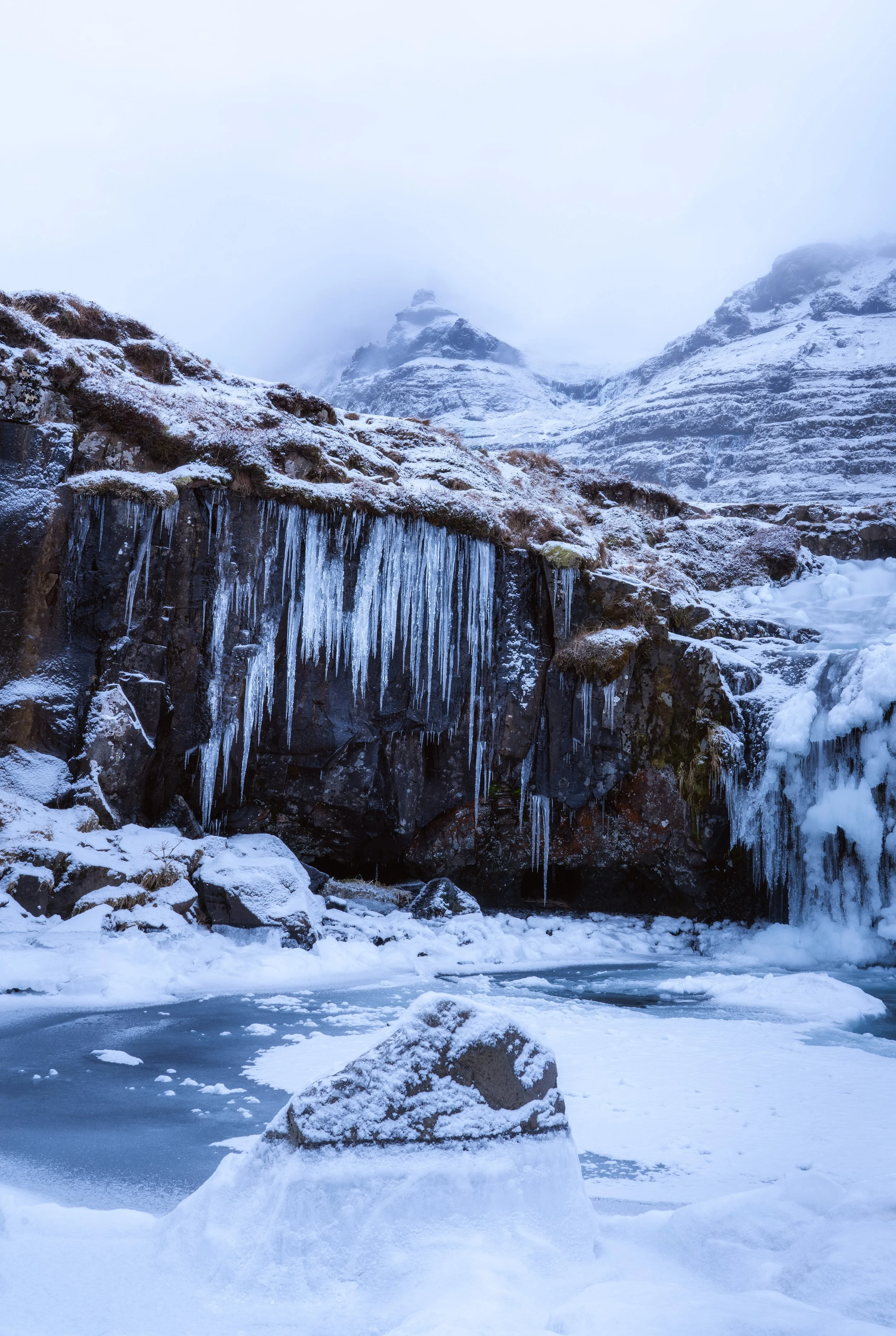
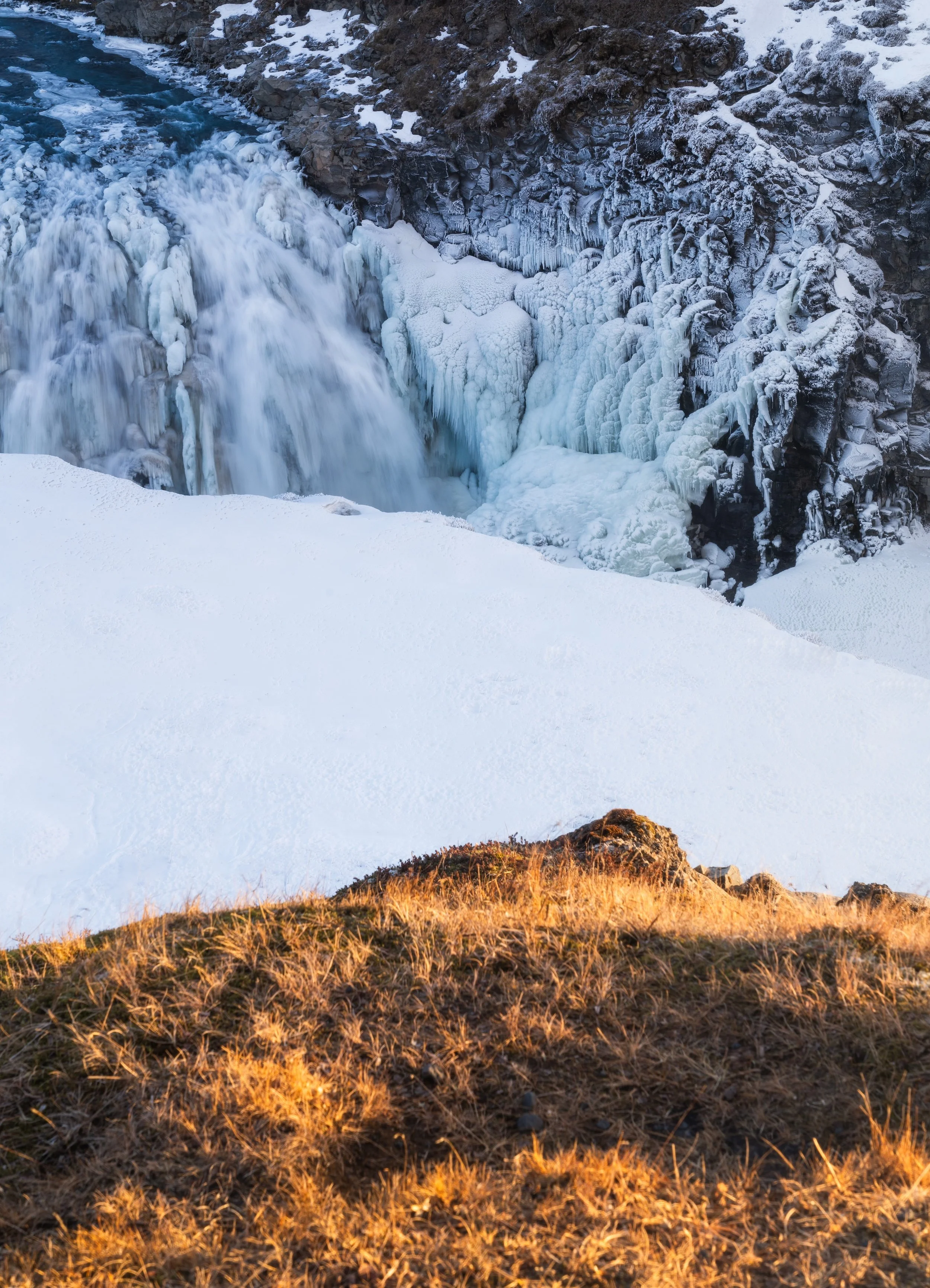
These images are all taken at very popular locations in Iceland and yet you could probably not tell where exactly unless I told you. They are taken after already having spent a couple of hours at these locations and having observed other things than what was obvious.
Be adequately dressed and prepared
I know this might sound like the obvious thing, but I have so often seen people underestimate how brutal the elements get in Iceland and are not properly dressed for the weather.
Having the right gear in Iceland is absolutely essential for a successful trip in general but even more so if you plan to be outside battling the elements for hours upon hours. My recommendation of must-have gear right off the bat is:
Heavily insulated (preferably Gore-tex) waterproof and windproof jacket
Insulated waterproof pants and boots, gloves and beanie
Crampons
Layer up your clothes
Heat packs for hands, feet (and gear) - they can really save the day when even the thickest gloves or boots can’t keep the cold out
Your sturdiest tripod
Bring your spike feet for your tripod - you’re going to need them on ice
Another important thing is to bring extra layers and spare clothes with you on the day in case you get wet. For example, certain locations such as beaches or waterfalls can get you really wet so in case some moisture gets through your layers, you’re going to want a change.
Lastly, depending where you come from, the gear you have at home might not be heavy enough for Iceland in winter. Merely water resistant clothing is not going to cut it, neither is ski clothing which is meant to keep you warm while moving. As a photographer, you might be walking a while and staying warm but you will also stand still for long periods of time during which the cold starts to creep in. This is when you need to have clothes that insulate properly and don’t let any wind through.
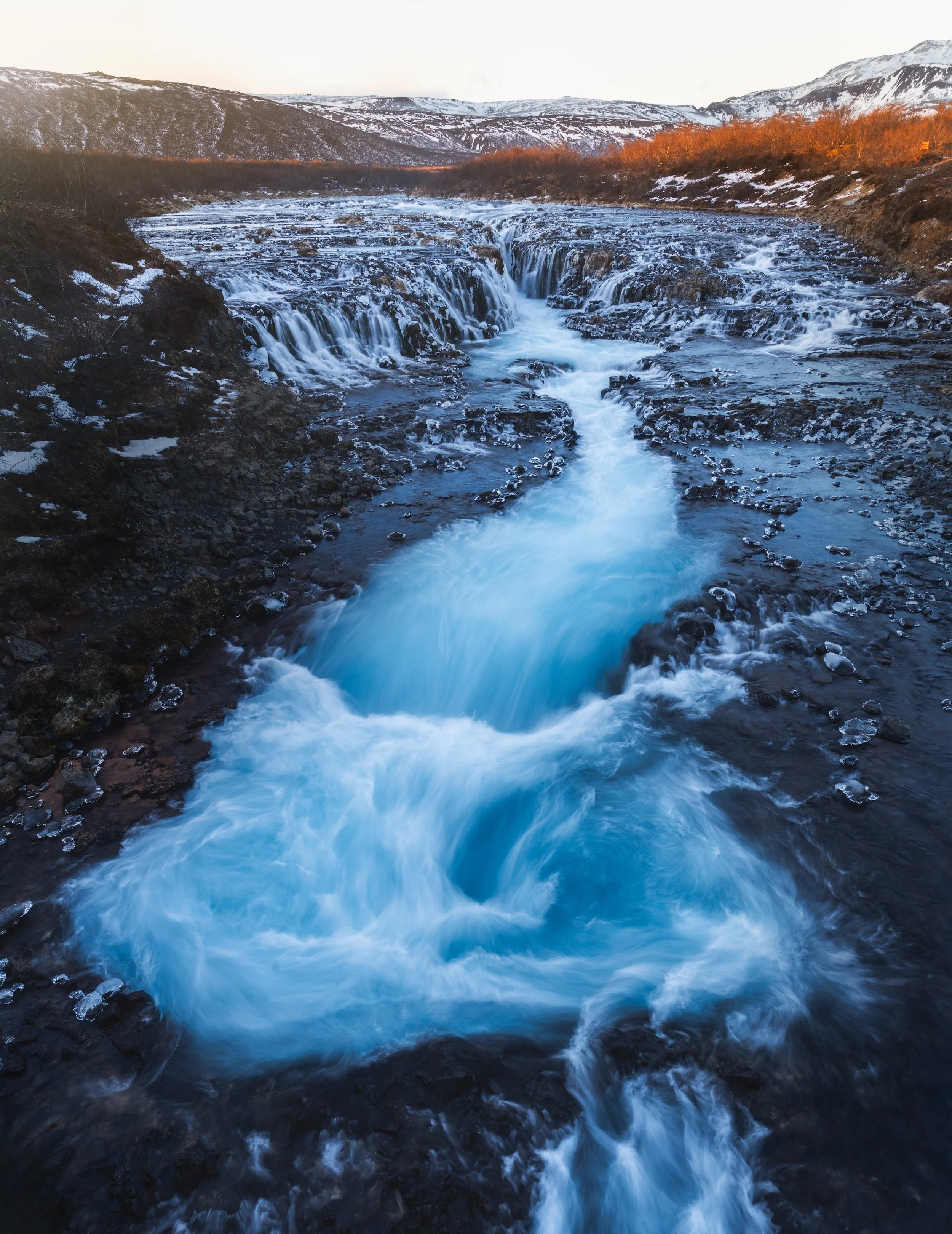

These images were captured on my last day in Iceland which was also the toughest. 100km/h wind gusts and -10 degrees make for a really unforgiving environment to be out in. Whatsmore, the path to this waterfall was completely covered in ice and the last part had an incline. Had I not had my crampons on, I would have not made it here or I would have hurt myself badly trying to.
This waterfall is known for getting everything in its path absolutely soaked. The longer you stay, the wetter it gets. Not to mention if you step into the river to capture the foreground, then you will need completely waterproof (and tall) boots. Even though my boots fit the bill, sadly some water did go through and that’s when my spare clothes came in handy.
Being properly dressed might seem many steps away from getting good photos but if you have the right protection, you can focus on photography and stay out there as long as it’s needed, without having to leave because you are frozen to the bone.
Don’t always follow the crowds
This last tip is as much about safety as it is about creativity. You will find that even in the dead of winter, the popular locations in Iceland get flooded with hundreds, if not thousands of people. This naturally creates a temptation to follow the crowds wherever they go just to make sure you don’t miss out. And here is why sometimes (not always), doing that is not the best idea.
People behave irresponsibly
Plainly put, there are SO many people ignoring signs and stepping over fences, going close to sneaker waves, approaching cliffs, etc - just to get the shot. It is not only dangerous to their lives, but also a massive disrespect towards nature.
I really encourage watching the signs and respecting the boundaries that Icelandic authorities have put in place even if you so desperately want to go get that view and even if 100 other people are doing it right in front of you. It could save your life and it also shows respect for the nature we all claim to love.
Many people have died in Iceland thinking they can get away with it. Let’s not put that to the test any longer.
People tend to go to the obvious view spots
Some locations are so well known that it is obvious where the crowds gather must be the main attraction. And of course you should check it out but it is also a good idea to step away from the crowds if possible and explore a bit around. It’s always good to keep a cool head and think with your own head without getting too influenced by what other people do.
Sometimes following the crowds is great because it helps you quickly identify the main attractions and get the classics but it does limit you if you let it take over and not think of different angles or placements that could make for a more interesting image.
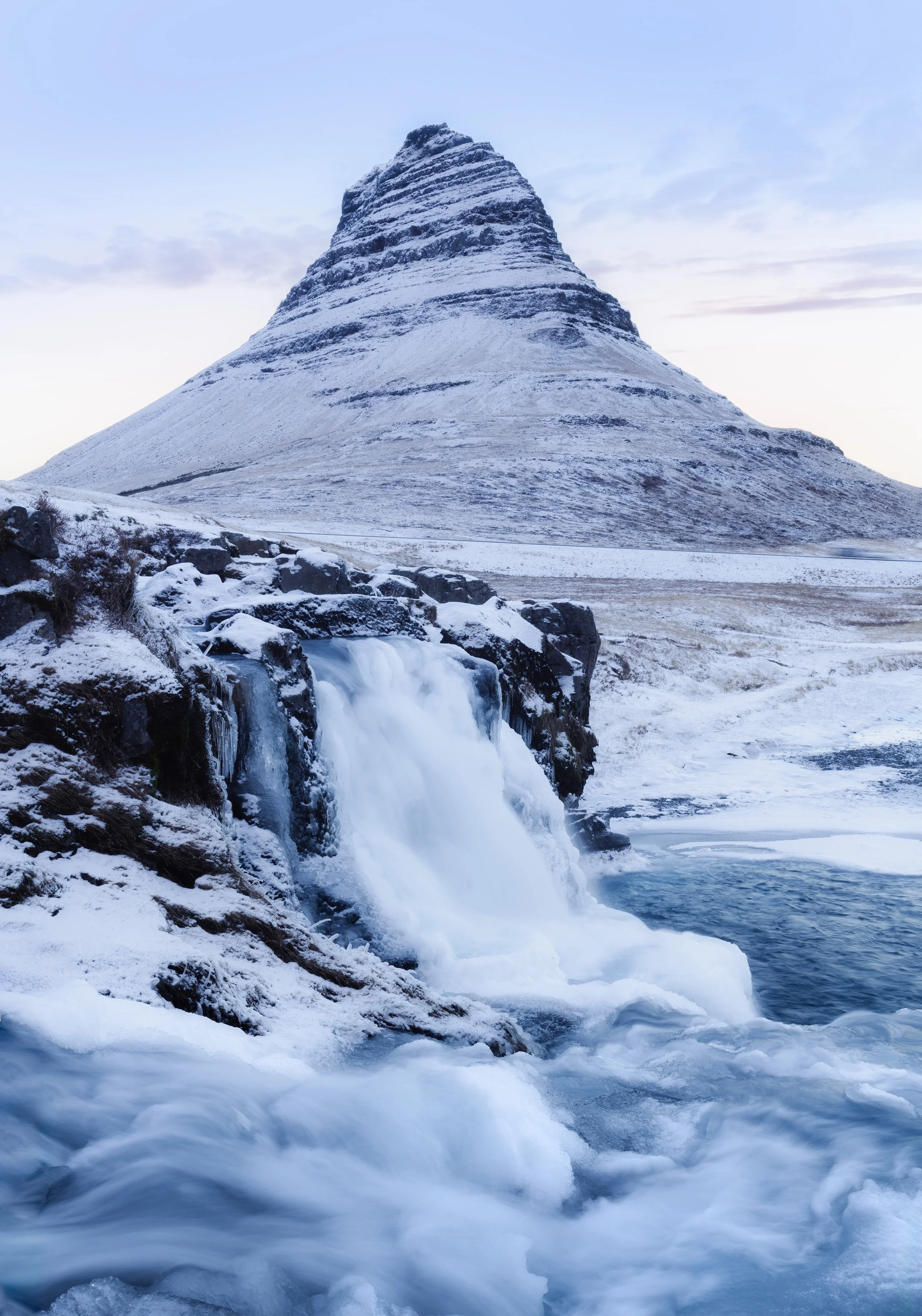
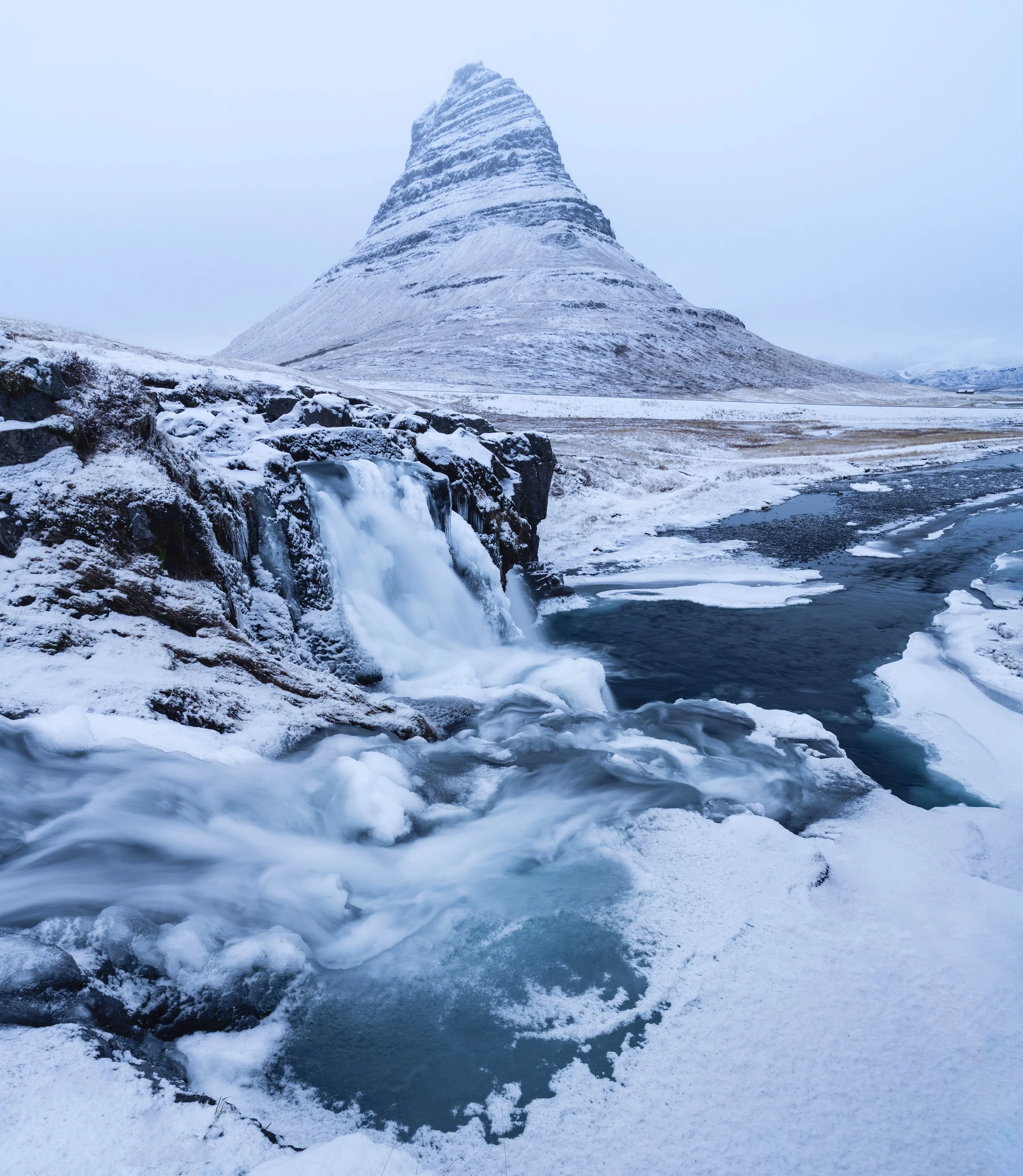
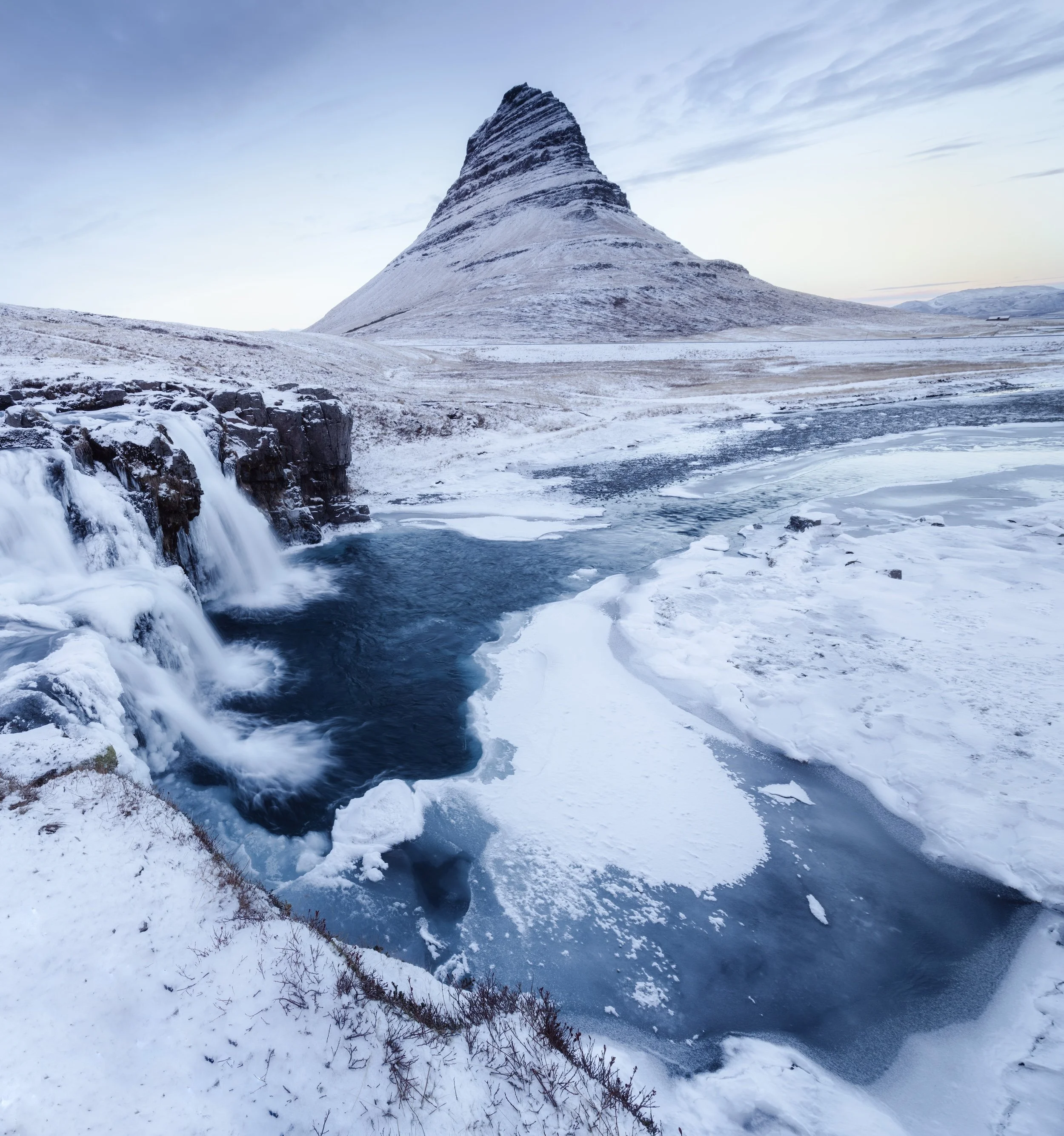
This iconic mountain, Kirkjufell, has the classic viewpoint you see here. When I visited I didn’t have time to go too far away from it but I also discovered to my disappointment that everything else around was fenced out, leaving no option for exploring really. So I did my best to compose the images as well as I could from the main viewpoint.
Bonus tip
If you can afford it, rent a good car. In all honesty, it makes a big difference. If you’re sticking to main roads, you don’t need a 4x4 but a good car is a great idea nevertheless. And that’s because a good car will make you more comfortable driving in difficult conditions and it will keep you safer. Plain and simple.
If you’re planning a trip to Iceland in winter, I hope these tips will help you achieve your goals and with a bit of luck on the weather front, you have the potential to get some absolutely mind-blowing photos! Winter in Iceland can be beyond magical but also completely brutal so be prepared for pretty much anything and stay safe! As always if you have any questions feel free to leave a comment.
With love,
Alexandra